Key Takeaways
- Wildfires near Bordeaux are posing significant risks to industrial plants that handle hazardous materials.
- The presence of advanced technologies in these facilities raises concerns about potential environmental disasters.
- Immediate and long-term implications for safety regulations, environmental policies, and local economies are emerging.
The Core Story
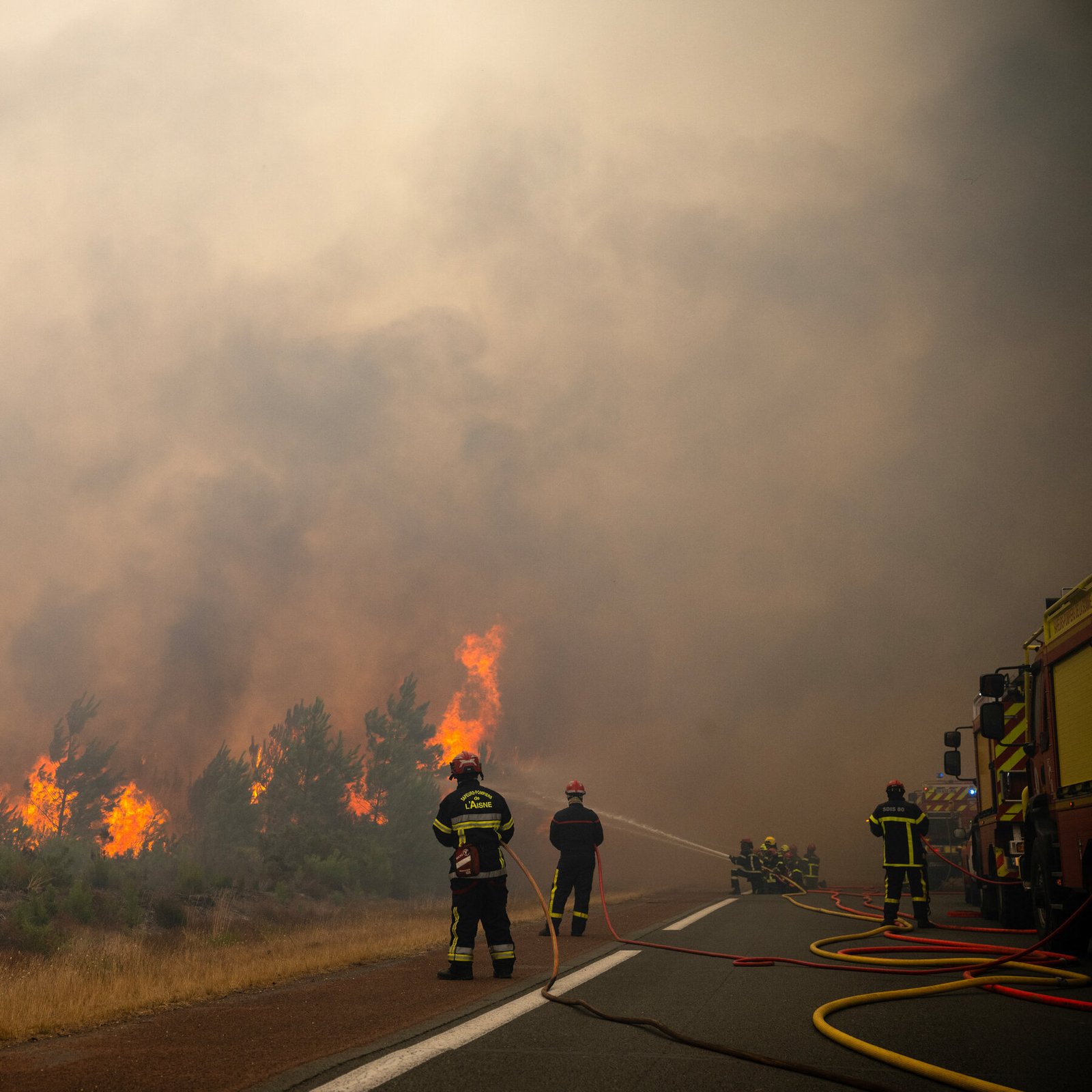
As wildfires rage through the region surrounding Bordeaux, France, the situation has escalated into a critical environmental crisis. This region is home to numerous industrial plants that utilize advanced technologies and handle hazardous materials, including chemicals and flammable substances. The proximity of these plants to the wildfires raises alarming concerns about the potential for catastrophic incidents, including explosions, toxic releases, and long-term environmental damage.
The wildfires, exacerbated by climate change and extreme weather conditions, have already consumed thousands of hectares of land, devastating local ecosystems and threatening communities. However, the additional risk posed to industrial facilities has heightened the stakes. The plants in question are not only vital to the local economy but also integral to various supply chains extending beyond France.
Authorities and environmental groups are closely monitoring the situation, as the flames threaten not just vegetation but also the safety of hazardous materials stored within these facilities. The implications of a fire reaching these plants could be disastrous, leading to widespread contamination and health risks for residents in the vicinity.
Expert Analysis & Industry Implications
The current wildfire crisis in Bordeaux serves as a stark reminder of the vulnerabilities inherent in industrial operations, particularly those that involve hazardous materials. As experts weigh in on the situation, several critical issues emerge:
- Regulatory Gaps: The existing safety measures and regulations for hazardous material handling need reevaluation. Many facilities may not be adequately prepared for natural disasters, like wildfires, which are becoming increasingly common due to climate change.
- Public Health Risks: The potential release of toxic materials into the air and water systems poses immediate threats to public health. Exposure to hazardous substances can lead to severe health issues, compounding the challenges faced by local populations already impacted by the fires.
- Economic Consequences: The local economy, heavily reliant on these advanced industrial plants, could face significant downturns if operations are disrupted or if facilities become inoperable due to damage or regulatory interventions post-crisis.
Moreover, the situation calls into question the long-term sustainability of industrial operations in areas prone to wildfires. As climate change continues to influence weather patterns, it is imperative for companies and regulators to reassess risk management strategies and invest in more resilient infrastructure.
Future Outlook & Predictions
Looking ahead, the implications of the current wildfires on industrial operations in Bordeaux could reverberate through various sectors. Here are several potential outcomes to consider:
- Increased Regulation: We may witness a push for stricter regulations governing hazardous material storage and handling, particularly in areas vulnerable to wildfires. This could lead to a comprehensive review of safety protocols across the industry.
- Technological Innovations: The crisis may spur investment in advanced technologies aimed at improving fire safety and environmental monitoring within industrial facilities. Companies could prioritize research and development to create more resilient systems.
- Community Engagement: There may also be a stronger emphasis on community engagement and transparency. Companies might seek to build trust with local populations by actively involving them in safety discussions and disaster preparedness plans.
As the situation evolves, it is crucial for stakeholders—including government agencies, industry leaders, and community members—to collaborate on solutions that mitigate risks and promote safety.
Final Verdict / Conclusion
The wildfires threatening the Bordeaux region highlight a critical intersection of environmental, health, and industrial safety issues. As the flames encroach on facilities handling hazardous materials, the potential consequences for local communities and ecosystems are profound. This crisis serves as a wake-up call for industries worldwide to reassess their preparedness for climate-related disasters and reinforce their commitment to safety and sustainability. In an era marked by increasing environmental challenges, proactive measures and robust policies will be essential in safeguarding both human health and the planet.
Context Reference & Source: Original News Coverage
About The Author