Healthcare Workers Halt Operations Amid Rising Ebola Cases in DR Congo
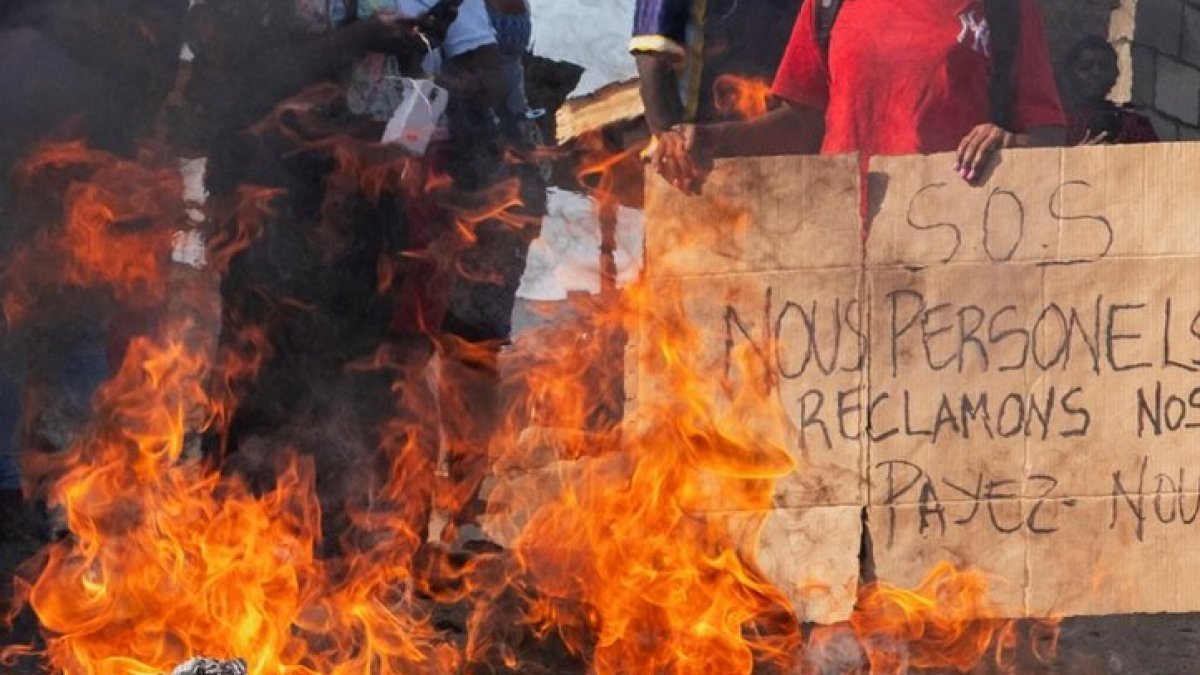
BUNIA, DEMOCRATIC REPUBLIC OF CONGO – A striking wave of discontent among healthcare professionals has emerged at the forefront of the ongoing Ebola crisis in the Democratic Republic of Congo (DRC). Staff at a treatment center in Bunia, located in the northeastern region of the country, have ceased operations, a move that underscores the escalating urgency of the situation as Ebola-related fatalities spike in recent weeks.
Background of the Outbreak
The Democratic Republic of Congo has been grappling with recurring outbreaks of the Ebola virus for decades. The latest outbreak, declared in the Ituri province, has posed significant challenges for local health authorities and international organizations. In recent weeks, the situation has deteriorated, with the World Health Organization (WHO) reporting a sharp increase in confirmed Ebola cases. As of the latest updates, the death toll has tragically climbed, with fears that the virus may spread beyond control if immediate action is not taken.
The Strike’s Catalysts
The decision to strike was announced after a series of grievances were raised by healthcare workers at the Bunia treatment center. Among their concerns were:
- Unsafe Working Conditions: Healthcare professionals have expressed alarm regarding inadequate protective gear and insufficient staffing levels, placing both workers and patients at heightened risk.
- Financial Compensation: Many workers cited delayed salaries and lack of financial support from both governmental and international health agencies, leaving them feeling undervalued and overworked.
- Psychological Toll: The stress associated with treating a lethal virus has taken a considerable mental toll on healthcare workers, who voice concerns over significant burnout and inadequate access to psychological support.
Implications of the Strike
The timing of the strike poses a critical challenge in the fight against Ebola. With the number of confirmed cases rapidly increasing, the absence of healthcare workers could exacerbate the crisis, as treatment centers become unable to provide necessary medical care to those infected. This action serves as a call to attention, not only locally but also on the international stage, highlighting urgent issues within the framework of healthcare responses to epidemic outbreaks.
Local health authorities, as well as international partners, faced with the impending crisis, are at a crossroads. Strategies to manage the outbreak have often relied on frontline workers, whose insights and commitment play a pivotal role in containment and treatment protocols. Thus, the indefinite strike by these professionals raises alarms about the sustainability of the response effort.
Voices from the Frontline
In an exclusive interview, Dr. Marie Ngoy, a physician at the Bunia treatment center, articulated the frustrations of the staff: “We are here to save lives, but without proper support, our efforts are futile. Each day we go without basic protective equipment increases the risk not only to us but to our patients as well.”
This sentiment resonates deeply among the striking workers, who continue to rally for their rights. “We are not merely employees; we are part of a community that is bound to fight this deadly disease. However, if our concerns are ignored, we cannot effectively perform our duties,” stated one nurse, who chose to remain anonymous due to the sensitive nature of the ongoing negotiations.
Local and International Response
Following the strike, the DRC’s Ministry of Health has issued a statement emphasizing its commitment to addressing the workers’ grievances but urged them to reconsider their decision to strike, stressing the immediate need for continued medical intervention in the face of a rising epidemic.
“We acknowledge the concerns of our healthcare workers and are actively working to remedy these issues. However, we cannot afford to halt the fight against Ebola, which threatens countless lives,” the statement read.
International aid organizations, accustomed to navigating crisis situations, have echoed similar sentiments. The WHO and Médecins Sans Frontières (Doctors Without Borders) are monitoring the situation closely, planning to mobilize additional resources if the strike persists. They have called for dialogue between healthcare workers and government officials to expedite the resolution of the impasse.
The Path Forward
As negotiations unfold, the stakes for DRC grow ever higher. The city of Bunia, once a beacon of hope amid the darkest days of the Ebola crisis, now finds itself at a critical juncture. Without a swift resolution to the strike and adequate support for healthcare workers, the chances of curbing the outbreak diminish, leading to potential regional implications should the virus spread beyond containment measures.
As this situation develops, attention now turns to both local authorities and international partners to implement equitable solutions that prioritize the safety and welfare of those on the front lines of this deadly outbreak. Only time will tell if a balance can be achieved between workers’ rights and the urgent need for action in the fight against Ebola.
Source: Original Source
About The Author




![BYD’s new flagship EV breaks cover for the first time with over 1,000 km of range [Video]](https://digitaladsvertic.com/wp-content/uploads/2026/07/BYD-Great-Han-flagship-EV-images-150x150.jpeg)






![BYD’s new flagship EV breaks cover for the first time with over 1,000 km of range [Video]](https://digitaladsvertic.com/wp-content/uploads/2026/07/BYD-Great-Han-flagship-EV-images-300x150.jpeg)