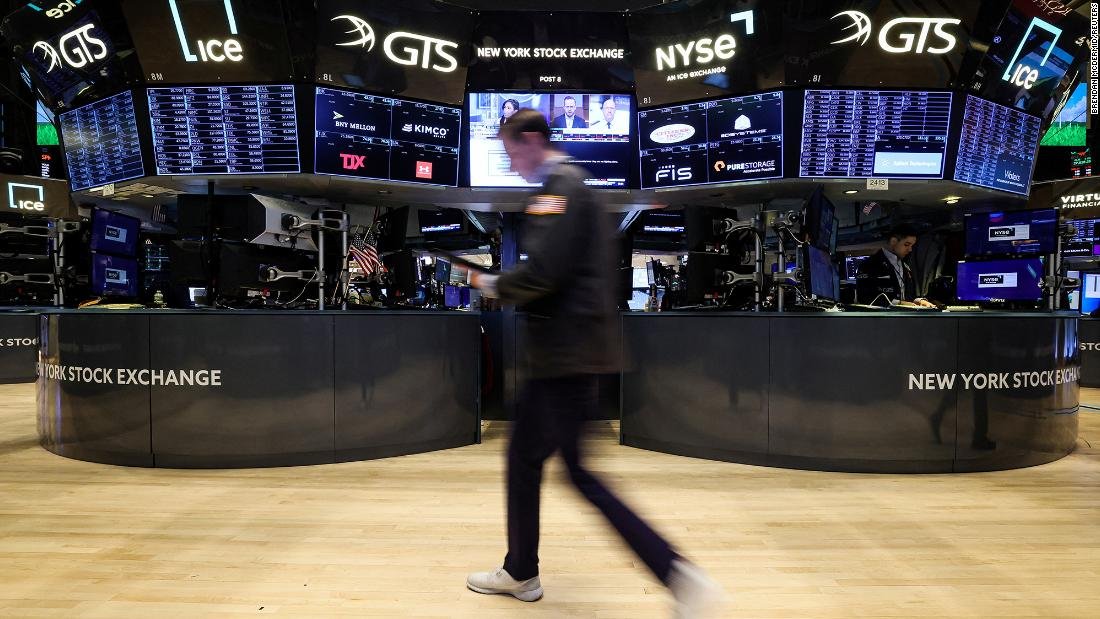
Stock Markets React to Recent Bank Earnings Amid Ongoing Turmoil
Financial markets around the globe are in a state of cautious evaluation as investors sift through the latest bank earnings reports, reflecting on their performance against the backdrop of recent economic turbulence. Uncertainties surrounding interest rates, inflation, and geopolitical tensions are keeping traders on high alert, complicating the landscape for both banks and investors.
Market Overview
This week, several prominent banking institutions released their earnings from the last quarter, offering vital insights into the financial sector’s current health. U.S. bank earnings showed a mixed bag: while some institutions demonstrated resilience amidst the challenges, others highlighted vulnerabilities that could raise concerns about the broader economy.
Major indices have reacted variably, with the S&P 500 and Dow Jones experiencing slight fluctuations following the announcements. Meanwhile, the Nasdaq composite recorded modest gains, driven by technology stocks that appear more insulated from the banking sector’s immediate challenges.
Bank Performance Highlights
Among the standout performers is JPMorgan Chase, which reported stronger-than-expected earnings fueled by a surge in interest income and a boost in customer deposits. CEO Jamie Dimon remarked, “We are pleased with our performance during what has been a challenging period for many.” The bank’s robust trading operations and its diversified revenue streams helped mitigate concerns about rising loan losses linked to consumer credit lines.
In contrast, Citigroup’s earnings revealed a stark narrative, reporting a profit decline in a challenging environment. Citi’s executives attributed the downturn to higher credit costs and geopolitical instability that impacted their overseas operations. “Navigating the uncertainties has been far from easy, and we recognize the need for adaptation to safeguard our clients’ interests,” said CEO Jane Fraser.
Implications for Investors
As analysts parse through these earnings results, several implications emerge for investors navigating the financial market’s uncertain currents. Rising interest rates, driven by efforts from central banks to combat inflation, add to the complexities for banks, as they simultaneously seek to maintain profitability while managing credit risk.
- Interest Rate Concerns: Many financial analysts predict that ongoing increases in interest rates could lead to a slowdown in borrowing, impacting banks’ profitability. Investors are urged to keep a close eye on Federal Reserve announcements and guidance.
- Geopolitical Risks: Heightened global tensions, particularly involving major economies, could further disrupt financial markets. The unpredictable nature of international relations is causing banks to reassess their exposure to higher-risk markets.
- Regulatory Scrutiny: The recent turmoil in some financial institutions has prompted regulators to consider tightening capital requirements and stress testing, potentially reshaping the financial landscape in the coming years.
The Road Ahead
Looking forward, the outlook remains cloudy. Some analysts advise caution, suggesting that while some banks are displaying relative robust performance, an array of external factors could yet alter the financial landscape considerably. “Investors should remain vigilant. The recovery path for the banking sector is fraught with challenges that might not clear up soon,” stated market analyst Lisa Zhao.
Furthermore, investor sentiment hinges not only on macroeconomic indicators but also on political developments both at home and abroad, which could significantly impact how financial institutions respond to evolving market conditions.
Key Takeaways
The interplay of bank earnings and market reactions illustrates a broader narrative of resilience amid ongoing uncertainties in the financial landscape. Key takeaways include:
- The mixed performance in bank earnings reflects diverging pathways for financial institutions.
- Regulatory pressures and rising interest rates will significantly impact strategic decisions moving forward.
- Geopolitical events remain a pressing influence, necessitating acute awareness from investors regarding potential market volatility.
A Call for Adaptation
The recent financial turbulence serves as a clarion call for institutions to innovate continuously and evolve alongside changing market dynamics. As the global economy braces for a potentially rocky road ahead, both banks and their investors must embrace adaptive strategies. The need for efficient risk management, coupled with a keen understanding of consumer behavior, is imperative as banks navigate the complexities of 21st-century economic realities.
Conclusion
In summary, as markets digest the latest bank earnings reports, the cautious optimism from some institutions is tempered by concerns about broader economic indicators. Stakeholders and investors must remain alert, not only to ongoing developments within the banking sector but also to global influences that could drastically reshape the financial landscape in the months to come.
Source: Original Source
About The Author