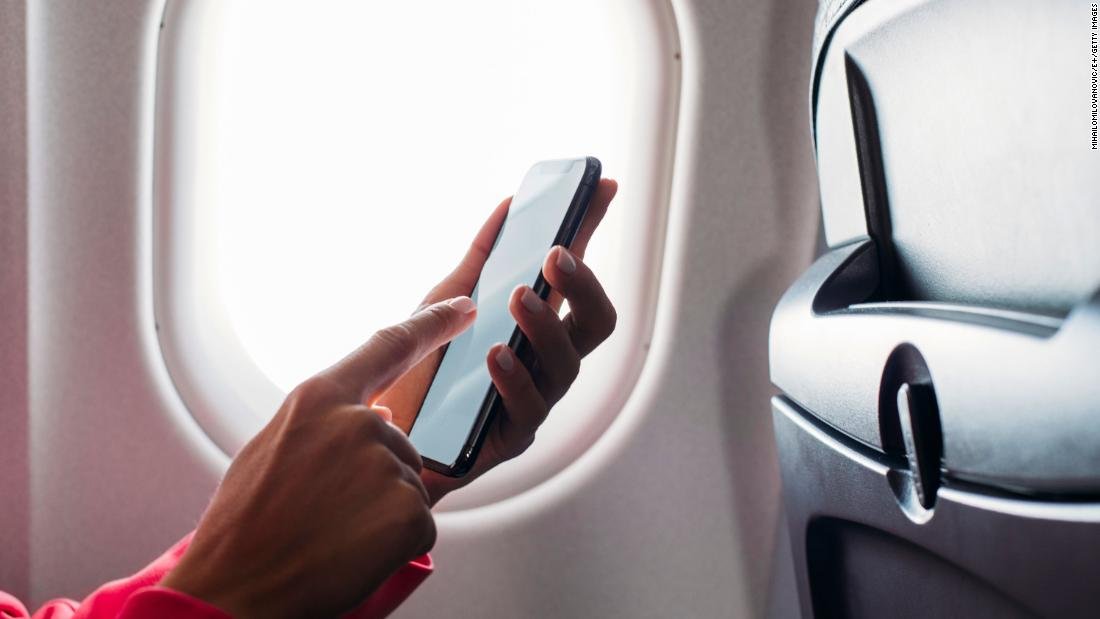
Understanding Airplane Mode: More Than Just a Safety Measure
We are all familiar with the standard pre-flight announcements: “Please ensure your seats are in the upright position, tray tables stowed, window shades are up, and electronic devices are set to flight mode.” While many passengers may see airplane mode as merely another airline regulation, its significance goes far beyond compliance. In this article, we will delve into the real reasons for activating airplane mode when flying and explore how it benefits you, fellow passengers, and even the aircraft itself.
What is Airplane Mode?
Airplane mode is a setting available on most electronic devices, including smartphones, tablets, and laptops, which disables their wireless communication functions. This includes cellular, Wi-Fi, and Bluetooth transmissions—effectively rendering the device disconnected from cellular networks and wireless signals. The primary reason for this measure was originally safety; however, the rationale has evolved as wireless technology has progressed.
1. Safety First: Preventing Interference with Navigation Systems
One of the primary reasons airplane mode is emphasized during flights is to prevent interference with the aircraft’s navigation and communication systems. Although research has shown that most modern aircraft are equipped to handle electronic interference, it is still prudent for airlines to enforce strict regulations. Wireless devices emit signals that could theoretically interfere with cockpit instruments, particularly in older models.
The Federal Aviation Administration (FAA) and other aviation authorities mandate this rule to ensure that everything on board works seamlessly. While the likelihood of interference in modern planes is minimal, it is better to err on the side of caution when flying at high speeds and altitudes.
2. Enhancing the Passenger Experience
When devices are left on during a flight, they actively try to connect to mobile towers on the ground. In such circumstances, these devices search for signals continuously. This relentless scanning can lead to the following:
- Battery Drain: Leaving cellular services active leads to faster battery depletion. By using airplane mode, travelers can significantly prolong battery life, allowing them to use their devices for a more extended period.
- Reduced Noise: Electronic devices can generate noise that disrupts the flying experience for others. This includes ringtones, alerts, and notifications that may distract passengers and crew alike.
By switching on airplane mode, passengers contribute to a more enjoyable environment during the flight. Travel can often be stressful, and a peaceful cabin fosters a better overall experience.
3. Data Management: Avoiding Sky-high Roaming Fees
Roaming charges can skyrocket while traveling—especially on international flights. By activating airplane mode, you can avoid unintended data charges. Without an active connection to cellular networks, there’s no risk of incurring exorbitant fees for services you didn’t intend on using.
If you plan to use your device for offline tasks or entertainment, remember to download apps, movies, or music before your flight. This way, you can stay entertained without relying on cellular data.
4. The March Towards Connectivity: In-Flight Wi-Fi and Its Implications
While airplane mode disables cellular connectivity, many airlines now provide in-flight Wi-Fi options. This service allows passengers to connect their devices to the internet without the risks associated with cellular signals. Passengers can engage in various activities while flying, such as browsing the web, checking emails, or catching up on social media, as long as they adhere to the airline’s specific guidelines.
What You Need to Know About In-Flight Connectivity:
- Activation of airplane mode is still mandatory even when using in-flight Wi-Fi.
- Some airlines may allow you to turn on Wi-Fi after activating airplane mode—this varies by carrier.
- Wi-Fi services usually come with a fee, so be prepared to pay for connectivity.
5. Future Considerations: Evolving Technology and Air Travel
As technology advances, the aviation industry continues to adapt. Innovations like Live TV and high-speed in-flight internet may mitigate many of the concerns associated with electronic devices on airplanes. However, the U.S. Federal Aviation Administration (FAA) still emphasizes the need for basic precautions to ensure passenger safety.
In the future, as regulatory bodies address safety concerns regarding device usage, we may find ourselves in an era where the air travel experience is transformed, allowing for more relaxed rules on device usage while still maintaining safety standards.
Conclusion: Follow the Rules for a Better Flight Experience
While it may seem like just another routine announcement, activating airplane mode has tangible benefits for yourself and everyone else on the flight. By ensuring your device does not interfere with aircraft systems, enhancing personal battery life, avoiding costly roaming fees, and contributing to a peaceful cabin environment, you can play your part in promoting a safe and enjoyable journey.
The next time you board an aircraft and hear the familiar directive to turn on airplane mode, remember that this is more than a mere suggestion: it’s a necessity rooted in safety, courtesy, and modern technology. By adhering to these guidelines, you help maintain the integrity of air travel while also ensuring a more pleasant experience for all. Happy flying!
Source & Original Coverage: Original Publisher