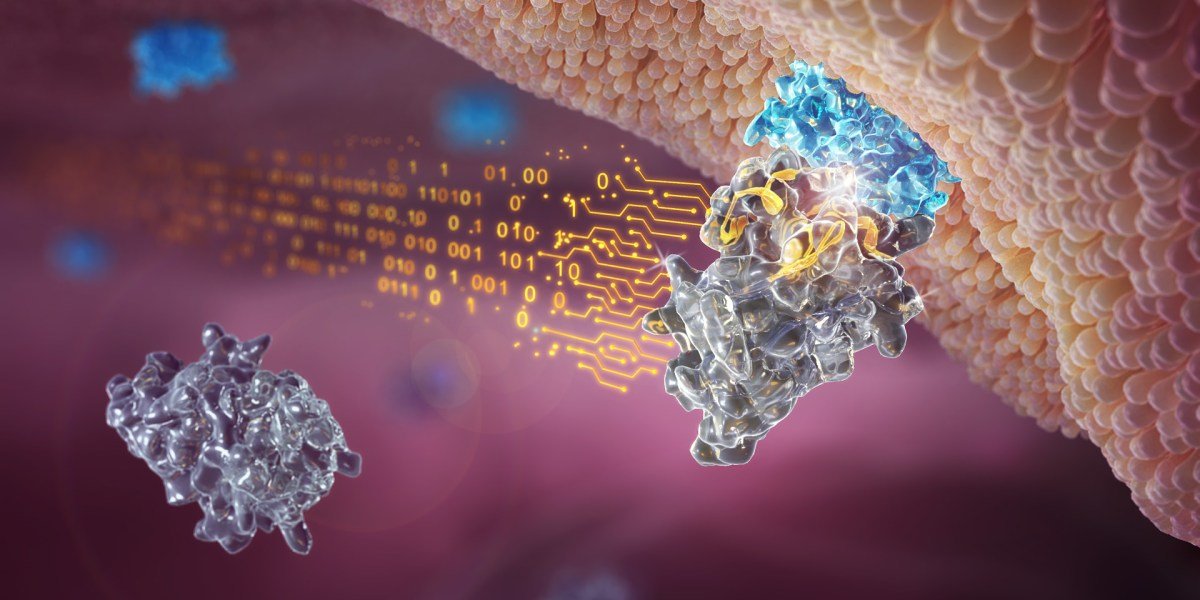
The Challenge of Drug Development
Designing and bringing a new medicine to market is one of the most arduous and costly endeavors within the scientific community. The journey from a concept in a lab to a life-saving drug on pharmacy shelves can span over a decade and cost billions of dollars. According to a study by the Tufts Center for the Study of Drug Development, the average cost of developing a new drug has surged to approximately $2.6 billion, factoring in the expenses of failed candidates. Even more alarming is that only about 12% of drugs that enter clinical trials ever receive regulatory approval.
Enter Artificial Intelligence: A Game Changer in Drug Design
In recent years, artificial intelligence (AI) has emerged as a revolutionary force in the pharmaceutical sector, helping scientists not only streamline the drug discovery process but also enhance its efficacy and accuracy. By leveraging vast amounts of data, machine learning algorithms, and predictive analytics, AI is reshaping how researchers design the next generation of medicines. Here’s how AI is playing a pivotal role in this transformation:
1. Accelerating Discovery through Predictive Analytics
AI models can analyze extensive datasets related to disease biology, molecular structures, and patient outcomes far more quickly than human scientists. By utilizing algorithms that can foresee which compounds are likely to succeed, researchers can significantly reduce the time spent on trial-and-error approaches. This hastens the initial phases of drug design, cutting down development timelines.
- Example: AI-driven platforms like Atomwise are harnessing deep learning to predict the effectiveness of new compounds in binding with specific disease targets, effectively narrowing down the candidates that warrant further investigation.
2. Cost Efficiency: Reducing Financial Risks
Given the staggering costs associated with drug development, AI’s ability to minimize inefficiencies can lead to substantial financial savings. AI technologies help in identifying viable drug candidates sooner, thereby diminishing the investment in less promising avenues. This not only conserves resources but also accelerates the delivery of potentially life-saving medicines to market.
3. Personalized Medicine: Tailored Approaches to Treatment
AI enables the shift toward personalized medicine by analyzing genetic and phenotypic data to identify which treatments will be most effective for individual patients. This represents a significant shift away from the “one-size-fits-all” model traditionally employed in pharmacology.
- Example: Platforms like Tempus utilize AI to assess a patient’s genomic profile, allowing oncologists to customize cancer therapies that are most effective for each patient.
4. Drug Repurposing: Breathing New Life into Existing Drugs
AI isn’t just useful for discovering entirely new compounds; it can also expedite the process of drug repurposing. By analyzing existing medicines and their mechanisms, AI can uncover new therapeutic uses that may have previously gone unnoticed.
- Example: BenevolentAI has successfully pinpointed new applications for established drugs by utilizing an AI platform that mines scientific literature and clinical trial data.
Challenges and Future Prospects
Despite its promise, the integration of AI into drug design is not without challenges. Some scientists remain cautious about AI’s capability to replace human intuition and creativity, which are critical in the intricacies of drug development. Moreover, the vast datasets required for training AI models raise concerns about data privacy and security.
Yet, as AI technology continues to evolve and its applications expand, it holds the potential to significantly alter the landscape of pharmaceutical development. As real-world applications continue to grow, and as collaborations between AI firms and pharmaceutical companies increase, the pharmaceutical industry stands on the verge of a new era.
The Road Ahead: Pioneering Medicine with AI
As we look to the future, the combination of AI and biotechnology promises to address inefficiencies in drug design and development while enhancing our understanding of complex biological systems. The opportunity for AI to uncover novel therapeutics for diseases previously deemed untreatable is immense.
- Prospective Areas of Impact:
- Neuroscience: AI is being explored for developing treatments for neurodegenerative diseases like Alzheimer’s.
- Immunotherapies: Personalized vaccine development is increasingly intertwined with AI analysis.
- Chronic Diseases: Continuous monitoring of health data using AI can lead to new preventative therapies.
Conclusion
The dawn of AI-assisted drug design is upon us, and as research progresses, we may soon witness a future where advanced therapies reach patients more swiftly and efficiently than ever before. With ongoing investment in AI technologies and collaborations between medical researchers and tech innovators, the next wave of groundbreaking medicines is not just a possibility – it’s an impending reality.
Source & Original Coverage: Original Publisher