Key Takeaways
- The Central Bank of Russia has introduced a draft proposal requiring digital asset platforms to maintain a minimum liquid capital of up to $2.8 million.
- This move is part of a broader regulatory framework aimed at tightening control over the cryptocurrency market in Russia.
- The new rules are expected to be rolled out alongside a comprehensive crypto regulatory framework this fall.
The Core News Story
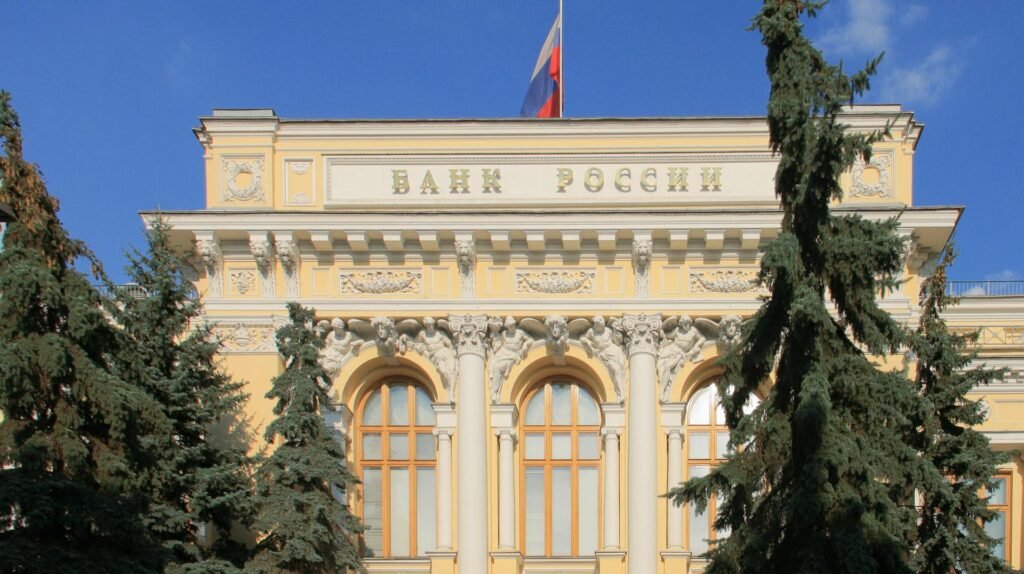
In a significant regulatory shift, the Central Bank of Russia has unveiled a draft of new rules aimed at digital asset platforms. This initiative requires these platforms to hold a minimum liquid capital of up to $2.8 million, a move that reflects the institution’s commitment to enhancing oversight and stability in the burgeoning cryptocurrency sector. With the cryptocurrency market experiencing unprecedented growth and volatility, regulators worldwide are increasingly focusing on establishing frameworks that ensure investor protection and market integrity.
The proposed regulations are timely, as the Central Bank prepares to introduce a more comprehensive regulatory framework for cryptocurrencies in the coming fall. This framework is expected to address various aspects of digital asset management, including trading, storage, and compliance measures. The necessity for a robust regulatory environment has become more apparent as the global cryptocurrency landscape evolves, presenting both opportunities and risks.
Expert Analysis & Impact
Experts in the field of cryptocurrency and financial regulation view this development as a crucial step toward establishing a more secure and transparent operational environment for digital asset firms. The requirement for a substantial liquid capital base not only aims to safeguard consumer interests but also acts as a barrier to entry for less serious players in the market.
According to financial analysts, the introduction of these regulations could lead to a consolidation of the digital asset industry in Russia. Smaller platforms that may struggle to meet the new capital requirements might be forced to either increase their capital reserves, merge with larger firms, or exit the market entirely. This could result in a more stable and reliable ecosystem, albeit at the cost of reduced competition.
Moreover, the Central Bank’s proactive approach indicates a recognition of the growing significance of digital assets in the broader financial landscape. By implementing stringent regulations, the bank aims not only to mitigate risks associated with money laundering and fraud but also to foster a sense of legitimacy and reliability among investors.
Future Outlook
As the rollout of the comprehensive crypto regulatory framework looms, the future of digital assets in Russia remains uncertain yet promising. The Central Bank’s insistence on stringent capital requirements could pave the way for a healthier market, but it may also discourage innovation and the influx of new technologies in the sector.
Industry stakeholders are closely monitoring the situation, as the proposed rules could set a precedent for other nations considering similar regulatory measures. If successful, Russia’s framework could serve as a model for balancing investor protection with the promotion of technological advancement in the cryptocurrency space.
Additionally, the global cryptocurrency market is watching how these regulations will impact Russia’s position within the international crypto community. With countries around the world exploring various approaches to cryptocurrency regulation, Russia’s actions could influence legislative trends elsewhere, especially in regions where crypto adoption is rapidly increasing.
Conclusion
The Central Bank of Russia’s draft regulations for digital asset platforms signify a pivotal moment in the country’s approach to cryptocurrency regulation. With a focus on establishing a robust financial foundation and enhancing market integrity, these rules are set to play a crucial role in shaping the future of digital assets in Russia.
As the industry braces for the anticipated comprehensive regulatory framework this fall, the implications for investors, platforms, and the broader market will be profound. While the new regulations may present challenges for some players, they also offer an opportunity to create a more stable and trustworthy environment for digital asset trading and investment. The balance between regulation and innovation will be key to the future success of Russia’s cryptocurrency landscape.
“`
Context Reference: Original Publisher
About The Author
