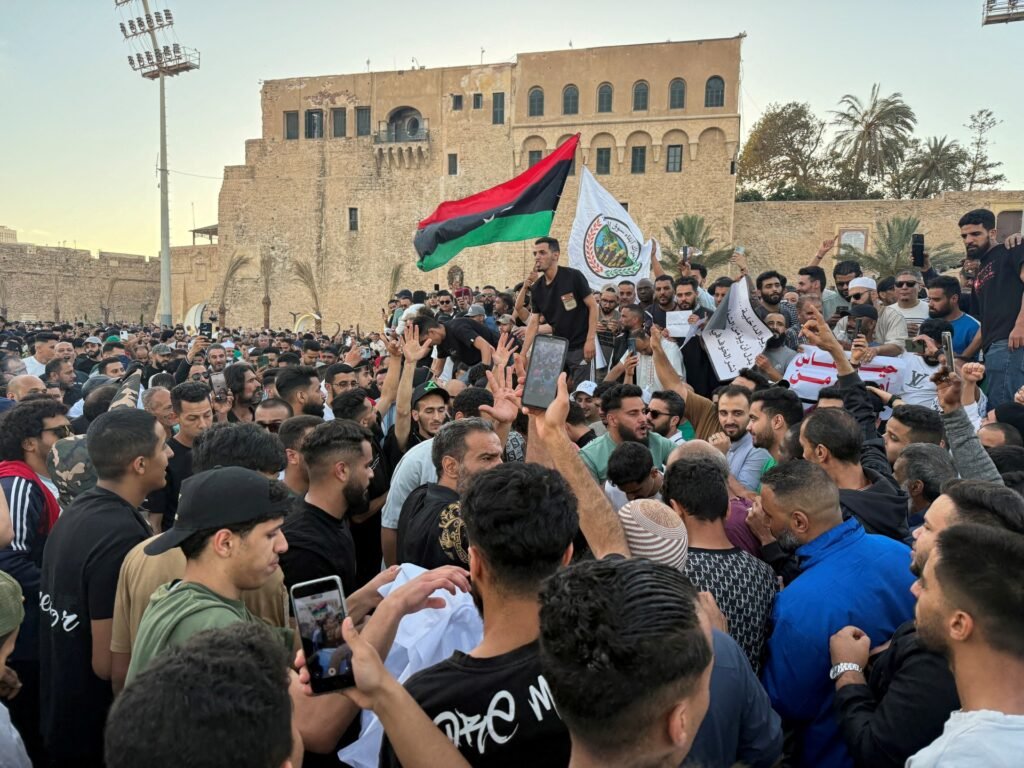
Protests Surge in Tripoli as Libyans Demand an End to Power Cuts
In a dramatic escalation of public discontent, protests have erupted in Libya’s capital city, Tripoli, as citizens voice their frustration over ongoing power cuts that have left many households and businesses without electricity. The civil disobedience campaign, which has caught both local and international attention, has seen demonstrators shut down major roads and occupy vital government buildings, including the foreign ministry. This wave of unrest reflects not just anger about day-to-day inconveniences but also broader issues of governance, infrastructure, and the waning hope for a stable future in Libya.
The Roots of Discontent
Libya has faced a multitude of challenges since the fall of Muammar Gaddafi in 2011, with power cuts becoming a notorious feature of daily life in the country. Despite being a nation rich in oil, a series of political instabilities, corruption, and mismanagement of resources has contributed to an unreliable power supply.
- Corruption: Allegations of corruption and poor governance have left many citizens skeptical about the ability of their leaders to provide basic services.
- Infrastructure Failures: The country’s power infrastructure has faced significant neglect, leading to frequent outages.
- Political Instability: Ongoing conflicts between various factions contribute to the difficulty in establishing a reliable power supply.
Protests Intensify
The demonstrations began peacefully, with citizens congregating to express their grievances about power outages that have increasingly extended into days, affecting thousands. An initial protest outside a power company quickly evolved into a full-scale movement, with citizens blocking roads across the capital and calling for a unified approach to address the crisis. The protestors have emphasized that adequate access to electricity is not only a daily necessity but a basic human right.
Key Events of the Protests
The situation escalated when protesters decided to occupy the foreign ministry, an act of defiance aimed at the Libyan government. Key events included:
- Road Blockades: Demonstrators set up barricades on major thoroughfares, significantly disrupting traffic and daily life.
- Government Buildings Occupied: The occupation of the foreign ministry served as a powerful symbol of their discontent.
- Social Media Mobilization: Activists utilized social media platforms to coordinate and amplify their movement, highlighting their cause globally.
A Diverse Protest Movement
The protests have attracted a diverse demographic. Young people, many of whom have never experienced a stable Libya, have taken to the streets in large numbers, driven by frustration and despair about their futures. Families, shop owners, and professionals have joined the call, underscoring the widespread nature of the unrest. Among the slogans chanted, “We are tired!” resonates deeply, embodying a collective fatigue over continuous hardship.
The Role of Civil Society
Libya’s civil society has been instrumental in amplifying the protests’ message. Non-governmental organizations (NGOs) have stepped up to support the demonstrations, offering legal assistance and providing a platform for citizens to voice their concerns. They have called for actionable plans to restore reliable electricity while holding government officials accountable for their failure to deliver essential services.
Government Response
The Libyan government’s response to the crisis has been largely defensive. Officials have attributed the power cuts to damage from ongoing military conflicts and have made vague promises to improve the situation. However, these assurances have not placated the anger simmering in the streets. Critics argue that the government lacks the will or ability to implement necessary reforms.
International Observations
The unrest has drawn international scrutiny as observers watch closely to see how the situation unfolds. Many foreign diplomats have expressed concern over the potential for increased violence if the government does not adequately address the needs of its citizens. The United Nations has called for calm and a renewed commitment to dialogue but remains cautious about intervening in a complex political landscape.
The Future of Protests in Libya
As protests continue in Tripoli, the question remains: what will it take for the government to respond effectively to the people’s demands? The power outages have exposed not only the failures of the current administration but also deep-seated issues within the Libyan state that require comprehensive reform. Activists and citizens alike are determined to keep the pressure on their leaders until tangible actions are taken.
With the global community watching, the developments in Libya could potentially reshape the future of the nation. As citizens stand united in their fight for basic necessities, they remind the world of the power of grassroots movements in advocating for change and holding governments accountable.
As the situation unfolds, many hope that the protests will lead to meaningful changes in governance, ensuring that everyday citizens do not have to endure the hardships brought on by prolonged power shortages. The world waits closely, eager to see if the cries for help from Tripoli will lead to a brighter, more stable future for Libya.
Source & Original Coverage: Original Publisher