Introduction: The Rise of ‘Ride’ and Its Controversies
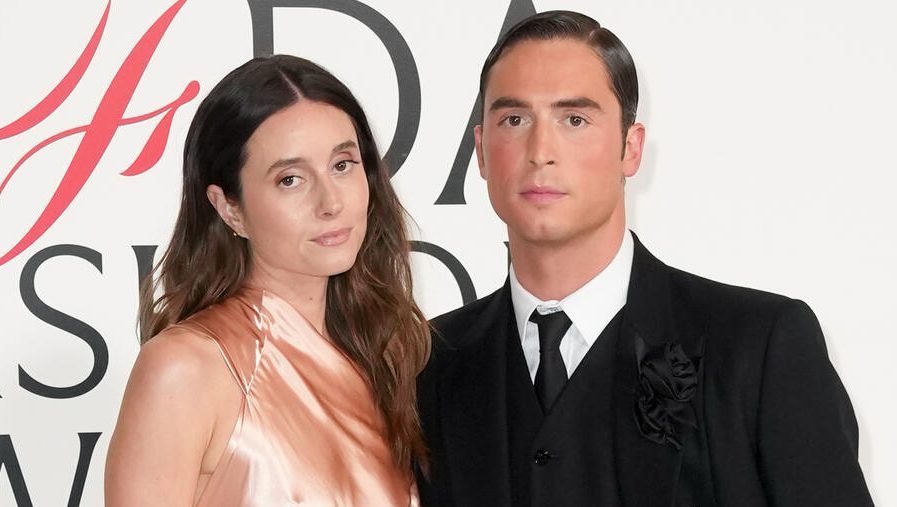
The entertainment landscape continues to evolve, with the success of podcasts adding new dimensions to cultural conversations. Among the voices breaking through recently is that of Mary Beth Barone and Benito Skinner, hosts of the ‘Ride’ podcast, which premiered its fourth season this month to enthusiastic audiences. Yet, behind the scenes, a turbulent undercurrent of political disagreements with their podcast network’s leadership has led both comedians to seek an exit from their contract with Dear Media.
Behind the Scenes: Contractual Challenges and Political Discontent
Mary Beth Barone, affectionately known for her humorous takes on everyday life, has openly discussed the friction that arose during their collaboration with Dear Media. In a candid interview following the launch of ‘Ride’ Season 4, she revealed, “We did try to get out of the contract we entered into with Dear Media, but unfortunately, we were not able to.” This statement highlights a burgeoning tension between creative freedom and corporate governance, particularly when divergent political ideologies clash.
Why the Political Stance Matters
Barone’s reluctance to align with Dear Media speaks volumes about the importance of shared values in the realms of entertainment and digital media. As a comedian with a focus on empowerment and inclusivity, Mary Beth finds it increasingly challenging to reconcile her personal beliefs with those held by the CEO of Dear Media. In her words, “It’s hard to reconcile that.” The divide showcases larger cultural issues where creators must manage the expectations of their audience while also navigating the often turbulent waters of corporate ethics and politics.
The Implications for Podcasters and Digital Creators
This situation poses essential questions for digital creators regarding their artistic integrity versus corporate loyalties. Here are the implications for emerging podcasters and content creators:
- Creative Control vs. Commercial Support: As creators seek partnerships for funding and resources, they often face compromises that may conflict with their own beliefs.
- The Importance of Audience Connection: Podcasters like Barone and Skinner thrive on their connection with their audience. Political discrepancies can alienate listeners if not handled delicately.
- Navigating Contractual Obligations: Understanding the terms and obligations of contracts is crucial for creators to avoid situations where personal values are at odds with professional commitments.
The Response from Dear Media: A Broader Examination
Dear Media, founded by CEO Amanda Duberman, has carved a niche in the podcasting industry but has not been without its controversies. With a reputation built on producing content that resonates with audiences, how the leadership’s views will affect partnerships remains to be seen. Their response to Barone’s statements—or lack thereof—will be pivotal in maintaining or losing talent within their network.
The Current Landscape of Podcasting
The podcasting world is experiencing a renaissance, with millions of podcasts available today. As creators navigate their careers in this ever-expanding space, they confront not only their creative challenges but also the political landscapes that increasingly bleed into their work. Stories like Barone’s and Skinner’s aren’t just isolated incidents; they reflect the broader shift where creators are stepping into activism and engagement, pushing back against industries that may not share their values.
Future Prospects for Barone and Skinner
What lies ahead for Mary Beth Barone and Benito Skinner remains uncertain. Will they continue to produce ‘Ride’ under the Dear Media brand, or will they carve a pathway for independent content creation? With their popularity climbing, the likelihood of launching their platform or finding a more aligned network seems plausible. Regardless of the next steps, one thing is clear—a specific capitalistic approach to content creation is being challenged by creators unafraid to voice their convictions.
Conclusion: The Evolving World of Entertainment and Politics
Mary Beth Barone and Benito Skinner’s attempts to disentangle themselves from their contract with Dear Media spotlight the delicate balance between personal values and professional undertakings in the entertainment industry. As they plot their next course, they will undoubtedly inspire a new wave of content creators to consider their stances and principles in an increasingly complex media landscape. Maintaining one’s integrity in pursuit of creative success is a journey many will resonate with, and Barone’s and Skinner’s story is far from over.
As audiences, we eagerly await how they will navigate this turbulent chapter and how their experiences could set the tone for future generations of creators grappling with similar dilemmas.
Source & Original Coverage: Original Publisher