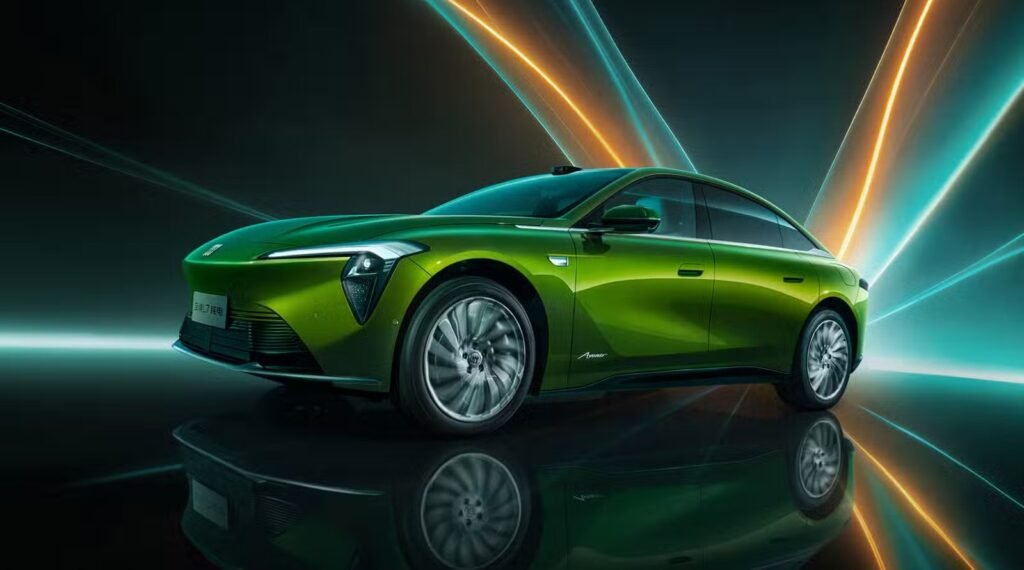
Key Takeaways
- The Buick Electra L7 boasts an impressive range of over 700 km (435 miles) on a single charge.
- With ultra-fast charging capabilities, it can replenish 450 km (280 miles) in just 10 minutes.
- This innovative EV aims to eliminate range and charging anxiety for users, setting a new standard in the electric vehicle market.
The Core News Story
Buick is set to redefine the electric vehicle landscape with the launch of its highly anticipated Electra L7. This groundbreaking model is engineered to combine practicality with cutting-edge technology, promising a driving experience that is both exhilarating and worry-free. With an extraordinary range of over 700 km (435 miles), the Electra L7 is poised to be a formidable competitor in the EV sector.
In addition to its impressive range, the Electra L7 features a rapid charging system that allows drivers to recharge up to 450 km (280 miles) in just 10 minutes. This capability significantly reduces the time spent at charging stations, addressing one of the most significant concerns that potential electric vehicle buyers have: charging anxiety. Buick’s advancements in battery technology not only enhance the user experience but also contribute to a more sustainable future by making electric vehicles more accessible to the masses.
Expert Analysis & Impact
The introduction of the Buick Electra L7 is a pivotal moment for both the brand and the electric vehicle industry as a whole. Automotive experts hail this model as a turning point, particularly for consumers who have been hesitant to transition to electric due to previous limitations in range and charging infrastructure. By offering a vehicle that can travel long distances without frequent stops, Buick is likely to attract a wider audience, including those who may have previously favored traditional gasoline-powered cars.
Industry analysts point out that the Electra L7’s specifications could inspire competitors to accelerate their own electric vehicle advancements, leading to a more robust and diverse marketplace for consumers. The competitive edge gained from the L7’s technological innovations may also prompt other manufacturers to rethink their strategies regarding electric mobility, pushing the envelope on what consumers can expect from future EVs.
Future Outlook
Looking ahead, the Buick Electra L7 is expected to be a catalyst for change in the automotive industry. As more consumers embrace the transition to electric vehicles, manufacturers will need to keep pace with innovations in battery technology and charging infrastructure. Buick’s commitment to producing high-quality, efficient electric vehicles indicates that they are not just looking to meet current demands but are also positioning themselves as leaders in the future of sustainable transportation.
Additionally, the success of the Electra L7 may encourage further investments in charging networks, as the demand for fast and accessible charging options will likely increase. As we move toward a more electrified future, partnerships between automakers and energy providers could become crucial in developing a comprehensive charging ecosystem. The Electra L7 is not just a new vehicle; it represents a step toward a future where electric mobility is synonymous with convenience and reliability.
Conclusion
The Buick Electra L7 is more than just an electric vehicle; it is a bold statement about the future of transportation. With an exceptional range, rapid charging capabilities, and innovative technology, it addresses key concerns that have previously hindered electric vehicle adoption. As Buick prepares to unveil this remarkable model, it is clear that the Electra L7 is set to change the game, not only for the brand but for the entire electric vehicle market. As we await its official release, the Electra L7 stands as a beacon of what’s possible in the realm of sustainable transportation, paving the way for a greener, more electrified future.
“`
Context Reference: Original Publisher
About The Author
