
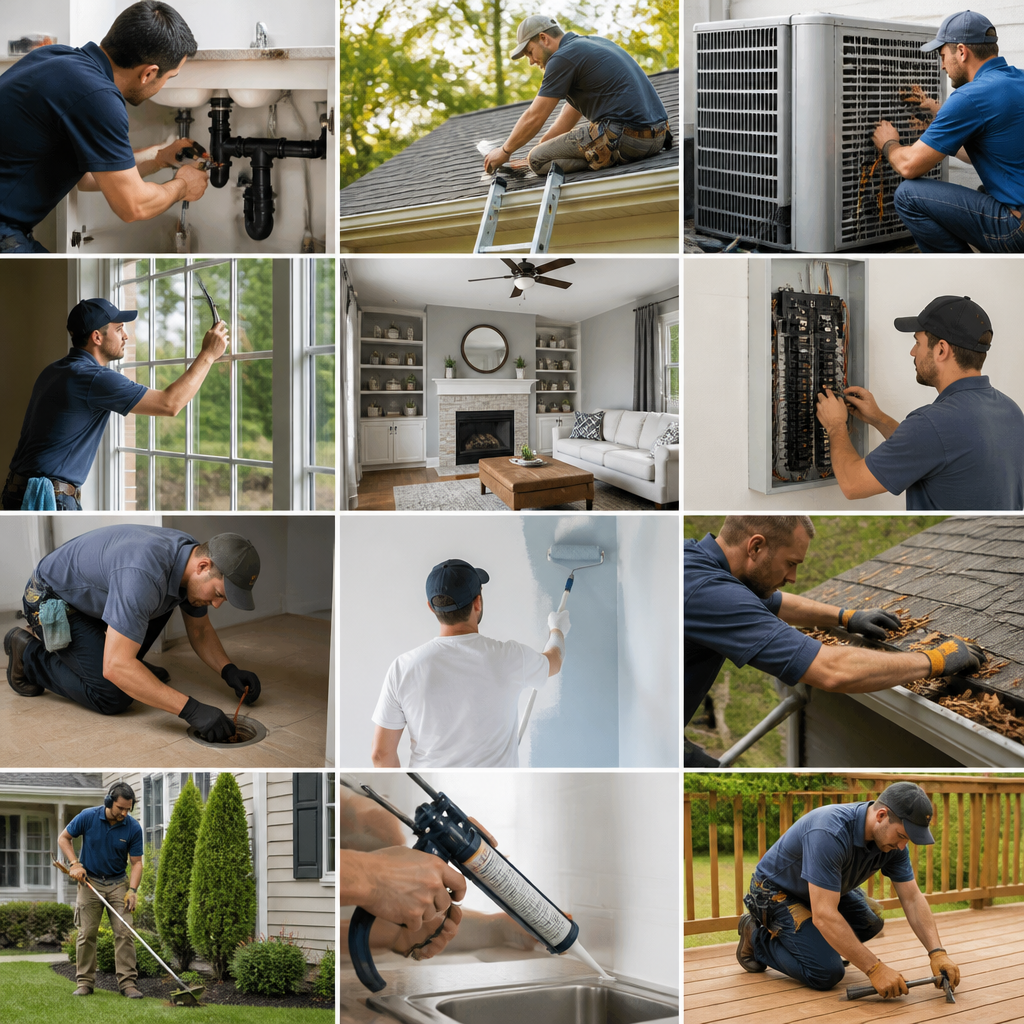
Owning a home is a significant milestone, but it also brings a multitude of responsibilities. From routine maintenance to unexpected repairs, homeowners often find themselves in need of reliable home services to keep their properties functioning optimally. This article outlines the top 10 essential home services that every homeowner will likely require at some point in their journey. Understanding these services can help you make informed decisions, save money, and maintain the comfort and value of your home.
1. Plumbing Services
Why It’s Needed:
Plumbing issues are common and can lead to significant damage if not addressed promptly. From leaky faucets to burst pipes, having a trustworthy plumber on speed dial is essential.
Common Tasks:
- Unclogging sinks and toilets
- Fixing or replacing water heaters
- Repairing or replacing pipes
- Installing new fixtures
Pro tip: Schedule routine plumbing inspections to catch potential issues before they escalate into emergencies.
2. Electrical Repairs & Upgrades
Why It’s Needed:
Electrical systems can become outdated or malfunction, posing safety risks. Regular electrical maintenance is crucial to ensure your home remains safe and functional.
Common Tasks:
- Installing or replacing lighting fixtures
- Upgrading breaker panels
- Repairing faulty outlets or wiring
- Installing ceiling fans
Pro tip: Always hire a licensed electrician for repairs and upgrades to avoid safety hazards.
3. HVAC Maintenance & Installation
Why It’s Needed:
Heating, ventilation, and air conditioning (HVAC) systems are vital for maintaining a comfortable home environment. Regular maintenance can extend the life of your system.
Common Tasks:
- AC and furnace tune-ups
- Replacing air filters
- Installing energy-efficient heating and cooling systems
- Repairing ductwork
Pro tip: Schedule HVAC maintenance at least once a year, ideally before peak usage seasons.
4. Roofing Services
Why It’s Needed:
Your roof protects your home from the elements. Regular inspections and maintenance can prevent costly repairs down the line.
Common Tasks:
- Repairing leaks
- Replacing missing shingles
- Cleaning and installing gutters
- Conducting roof inspections
Pro tip: Inspect your roof annually and after severe weather events to catch issues early.
5. Painting & Drywall Services
Why It’s Needed:
A fresh coat of paint or repaired drywall can significantly enhance your home’s appearance and value. These services are essential for both aesthetics and protection.
Common Tasks:
- Interior and exterior painting
- Drywall patching and installation
- Wallpaper removal and installation
- Texturing walls and ceilings
Pro tip: Choose paint finishes wisely; matte for bedrooms and semi-gloss for kitchens and bathrooms are popular choices.
6. Landscaping & Lawn Care
Why It’s Needed:
Landscaping enhances curb appeal and can improve your home’s value. Regular lawn care is essential for maintaining a healthy outdoor space.
Common Tasks:
- Mowing, edging, and fertilizing lawns
- Tree and shrub trimming
- Installing garden beds, patios, or walkways
- Seasonal cleanups
Pro tip: Incorporate native plants into your landscaping for lower maintenance and better sustainability.
7. Handyman Services
Why It’s Needed:
Handyman services are ideal for small repairs and maintenance tasks that don’t require a specialist. They can save you time and effort.
Common Tasks:
- Mounting TVs and shelves
- Repairing doors, cabinets, and furniture
- Minor plumbing or electrical fixes
- Assembling furniture
Pro tip: Establish a relationship with a reliable handyman for quick fixes and ongoing maintenance needs.
8. Cleaning Services
Why It’s Needed:
Deep cleaning can be a daunting task, especially for busy homeowners. Professional cleaning services can help maintain a healthy living environment.
Common Tasks:
- Move-in/move-out cleaning
- Carpet and upholstery cleaning
- Post-renovation cleanup
- Regular housekeeping
Pro tip: Schedule seasonal deep cleans to keep your home fresh and healthy.
9. Window & Glass Repair
Why It’s Needed:
Windows are crucial for energy efficiency and comfort. Damaged windows can lead to higher energy bills and decreased home value.
Common Tasks:
- Glass replacement and repair
- Repairing window seals
- Installing energy-efficient windows
- Cleaning and maintaining window frames
Pro tip: If your windows are drafty, consider upgrading to energy-efficient models to save on heating and cooling costs.
10. Home Remodeling & Renovation
Why It’s Needed:
As your needs change, your home may require updates to improve functionality and aesthetics. Remodeling can significantly enhance your living space.
Common Tasks:
- Kitchen and bathroom remodeling
- Finishing basements
- Adding new rooms or extensions
- Updating flooring and fixtures
Pro tip: Always obtain multiple quotes and review portfolios before hiring a contractor for remodeling projects.
Understanding the Costs of Home Services
When considering home services, it’s essential to understand the potential costs involved. While prices can vary widely based on location, service complexity, and provider experience, having a general idea can help you budget effectively. Below is a breakdown of factors that can influence the cost of various home services:
- Service Type: Different services come with different price ranges. For example, plumbing repairs may range from 0 to 0 depending on the issue, while a complete HVAC installation can cost several thousand dollars.
- Labor Costs: Labor rates can vary significantly based on the region. Urban areas typically have higher labor costs compared to rural areas.
- Materials: The quality of materials used can greatly affect the overall price. For instance, using high-quality paint or energy-efficient windows will increase the initial investment but may save money in the long run.
- Time of Year: Some services, like HVAC maintenance, may be more expensive during peak seasons. Scheduling during off-peak times can lead to savings.
Checklist for Hiring Home Service Professionals
Before hiring a home service provider, it’s crucial to conduct thorough research to ensure you’re making the right choice. Here’s a checklist to guide you:
- Verify Credentials: Ensure the professional is licensed and insured. This protects you from liability in case of accidents.
- Check Reviews: Look for online reviews and testimonials. Websites like Yelp, Angie’s List, and Google Reviews can provide insights into the provider’s reputation.
- Ask for References: Request references from past clients to gauge the quality of work and customer service.
- Get Multiple Quotes: Always obtain at least three quotes for comparison. This helps you understand the market rate and avoid overpaying.
- Discuss Warranty: Inquire about warranties on both labor and materials. A good contractor should stand behind their work.
- Review Contract Terms: Carefully read the contract before signing. Ensure all details, including scope of work, payment schedule, and timelines, are clearly outlined.
Common Warning Signs of Poor Home Service Providers
Identifying red flags can help you avoid hiring subpar service providers. Look out for the following warning signs:
- Lack of Licensing: If a provider cannot show proof of licensing or insurance, it’s best to look elsewhere.
- High Pressure Sales Tactics: Be cautious of providers who pressure you into making quick decisions or upselling unnecessary services.
- Unclear Pricing: If a provider is unwilling to provide a detailed estimate or quote, it may indicate hidden fees or poor transparency.
- Poor Communication: If you struggle to get in touch with the provider or if they are unresponsive to your questions, it may reflect their overall professionalism.
- Negative Reviews: While one or two negative reviews may not be a dealbreaker, consistently poor feedback is a significant red flag.
Practical Steps for Homeowners
To ensure you are prepared for any home service needs, consider the following practical steps:
- Establish a Maintenance Schedule: Create a yearly calendar that includes routine maintenance tasks for your home, such as HVAC servicing, gutter cleaning, and plumbing inspections.
- Build a List of Trusted Professionals: As you encounter various home service needs, compile a list of reliable professionals you can call upon in the future.
- Educate Yourself: Familiarize yourself with common home issues and basic troubleshooting techniques. This knowledge can help you identify when it’s time to call a professional.
- Budget for Emergencies: Set aside a portion of your budget for unexpected repairs. Having an emergency fund can alleviate stress when urgent issues arise.
- Stay Informed: Keep up with home maintenance trends and new technologies that can improve efficiency and safety in your home.
Questions to Ask Before Hiring
When interviewing potential service providers, consider asking the following questions to ensure you make an informed decision:
- What is your experience with this type of work?
- Can you provide a detailed estimate, including labor and materials?
- What is your expected timeline for completion?
- Do you have references from previous clients?
- What warranties do you offer on your work?
- How do you handle unexpected issues or changes in the project scope?
By taking the time to ask these questions, you can gain a clearer understanding of the provider’s capabilities and reliability, helping you make a more informed choice.
Understanding the Importance of Regular Home Maintenance
Regular maintenance is crucial for preserving the value and functionality of your home. Neglecting small issues can lead to larger, more expensive problems down the line. Here are some practical steps to ensure your home remains in top condition:
- Schedule Regular Inspections: Consider scheduling seasonal inspections for critical systems like plumbing, electrical, and HVAC. This proactive approach can help identify issues before they escalate.
- Keep a Maintenance Log: Document all maintenance and repairs performed on your home. This log can be beneficial for future reference and when selling your home.
- Educate Yourself: Familiarize yourself with basic home maintenance tasks. Understanding how your home systems work can empower you to tackle minor issues yourself.
Cost Factors to Consider for Home Services
When budgeting for home services, it’s essential to consider various cost factors that can influence your overall expenses. Here’s a breakdown of what to keep in mind:
- Service Complexity: The more complex the service, the higher the cost. For example, a simple plumbing leak may cost less than a complete system overhaul.
- Location: Geographic location can significantly affect service costs. Urban areas often have higher rates due to demand and cost of living.
- Time of Year: Certain services may be more expensive during peak seasons. For instance, HVAC services are often in high demand during summer and winter months.
- Quality of Materials: Opting for high-quality materials may increase upfront costs but can lead to long-term savings through durability and efficiency.
Checklist for Home Maintenance
To help you stay on top of home maintenance, consider this checklist of essential tasks to perform throughout the year:
- Inspect and clean gutters and downspouts.
- Test smoke and carbon monoxide detectors monthly.
- Change air filters in HVAC systems every 1-3 months.
- Inspect the roof for missing or damaged shingles.
- Check for leaks in plumbing fixtures and pipes.
- Service major appliances like the refrigerator, washer, and dryer.
- Inspect the foundation for cracks or signs of water intrusion.
- Maintain landscaping to prevent overgrowth and pest infestations.
Common Limitations of Home Services
While hiring professionals for home services is beneficial, it’s essential to recognize some limitations:
- Availability: Some service providers may have limited availability, especially during peak seasons, leading to delays in service.
- Scope of Work: Certain providers may specialize in specific areas, which could limit their ability to handle comprehensive projects.
- Cost Variability: Prices can vary significantly between providers, making it crucial to compare multiple quotes.
Warning Signs of Potential Home Issues
Being aware of warning signs can help you address potential home issues before they become serious problems. Here are some common indicators:
- Unusual Sounds: Listen for strange noises from appliances, plumbing, or HVAC systems, which may indicate malfunction.
- Odors: Musty smells can signal mold or mildew, while gas odors may indicate a leak.
- Water Stains: Discoloration on ceilings or walls can indicate leaks or water damage.
- Temperature Fluctuations: Inconsistent temperatures in different areas of your home may point to HVAC issues.
Questions to Ask Your Service Provider
When interviewing potential home service providers, asking the right questions can help you gauge their expertise and reliability. Consider these questions:
- What is your experience with similar projects?
- Can you provide a detailed breakdown of costs?
- What is your policy on unexpected issues during the project?
- How do you handle project timelines and delays?
- What safety measures do you have in place during the service?
Making Informed Decisions
In conclusion, being a homeowner requires a proactive approach to maintenance and repairs. By understanding the importance of regular home services, recognizing cost factors, and being aware of potential warning signs, you can make informed decisions that protect your investment. Establishing a relationship with trusted professionals and staying organized with a maintenance schedule will help ensure your home remains a safe and comfortable place for years to come.
Understanding Home Service Providers
When it comes to home services, not all providers are created equal. Understanding the different types of professionals available can help you make informed decisions. Here’s a breakdown of common types of home service providers:
- Specialists: These professionals focus on a specific area, such as electricians, plumbers, or HVAC technicians. They typically have extensive training and certifications in their field.
- General Contractors: General contractors manage larger projects and coordinate various tradespeople. They are ideal for remodeling or renovation projects that require multiple services.
- Handymen: Handymen can handle a variety of small tasks and repairs, making them versatile options for minor home maintenance needs.
- Cleaning Services: These professionals specialize in maintaining cleanliness in homes, offering services ranging from regular housekeeping to deep cleaning and post-renovation cleanup.
Comparing Home Service Providers
When selecting a home service provider, consider the following comparison criteria to ensure you choose the best fit for your needs:
- Experience: Look for providers with a proven track record in the specific service you need. Ask about their years in business and previous projects.
- Pricing Structure: Understand how providers charge for their services. Some may offer flat rates, while others charge hourly. Ensure you know what is included in the price.
- Customer Service: Evaluate how responsive and communicative the provider is during the initial consultation. Good customer service can indicate a reliable professional.
- Warranty and Guarantee: Inquire about warranties on both labor and materials. A reputable provider should stand behind their work.
- Insurance and Licensing: Verify that the provider is licensed and insured to protect yourself from liability in case of accidents or damages during the job.
Limitations and Warning Signs
While many home service providers are reputable, it’s crucial to be aware of potential limitations and warning signs that may indicate a less-than-ideal choice:
- Limited Availability: Some providers may have long wait times, especially during peak seasons. If a provider cannot accommodate your schedule, it may be worth looking for alternatives.
- Unclear Communication: If a provider struggles to explain their services or answer your questions, it may reflect their overall professionalism and reliability.
- High Turnover Rates: Frequent changes in staff or ownership can indicate instability within the company, which may affect the quality of service.
- Negative Online Presence: A lack of online reviews or a predominance of negative feedback can be a red flag. Always research a provider’s reputation before hiring.
Cost Factors to Consider
Understanding the costs associated with home services can help you budget effectively. Here are some key factors to consider:
- Scope of Work: The complexity and size of the project will significantly influence costs. Larger projects requiring more materials and labor will naturally be more expensive.
- Location: Geographic location can affect service costs due to variations in labor rates and demand. Urban areas may have higher prices compared to rural locations.
- Seasonal Demand: Certain services may be more expensive during peak seasons. For example, HVAC services are often in high demand during summer and winter months, leading to higher prices.
- Material Quality: The quality of materials used can impact the overall cost. Investing in high-quality materials may increase upfront costs but can lead to long-term savings through durability and efficiency.
Checklist for Home Maintenance
To help you stay on top of home maintenance, consider this checklist of essential tasks to perform throughout the year:
- Inspect and clean gutters and downspouts.
- Test smoke and carbon monoxide detectors monthly.
- Change air filters in HVAC systems every 1-3 months.
- Inspect the roof for missing or damaged shingles.
- Check for leaks in plumbing fixtures and pipes.
- Service major appliances like the refrigerator, washer, and dryer.
- Inspect the foundation for cracks or signs of water intrusion.
- Maintain landscaping to prevent overgrowth and pest infestations.
Questions to Ask Before Hiring
When interviewing potential service providers, consider asking the following questions to ensure you make an informed decision:
- What is your experience with this type of work?
- Can you provide a detailed estimate, including labor and materials?
- What is your expected timeline for completion?
- Do you have references from previous clients?
- What warranties do you offer on your work?
- How do you handle unexpected issues or changes in the project scope?
By taking the time to ask these questions, you can gain a clearer understanding of the provider’s capabilities and reliability, helping you make a more informed choice.
Final Thoughts
Homeownership comes with its share of responsibilities, and understanding the essential home services you may need is crucial for maintaining your property. From emergency plumbing repairs to planned renovations, knowing when to call a professional can save you time, money, and stress. By being proactive and establishing relationships with trusted service providers, you can ensure your home remains a safe and comfortable haven for years to come.
Frequently Asked Questions
1. How often should I service my HVAC system?It’s recommended to service your HVAC system at least once a year, ideally before the peak summer or winter seasons.
2. What’s the best way to find a reliable plumber or electrician?Look for licensed professionals with positive online reviews and referrals from friends or neighbors.
3. How can I tell if my roof needs repairs or replacement?Signs of damage include missing shingles, leaks, or sagging. An annual inspection can help catch issues early.
4. Are handyman services worth it?Yes! They are cost-effective for small tasks and general maintenance that don’t require specialists.
5. Is landscaping just for looks?Not at all. Good landscaping improves drainage, prevents erosion, and increases property value.












Leave a Reply