
Key Takeaways
- Light Phone emphasizes simplicity and intentionality in technology usage.
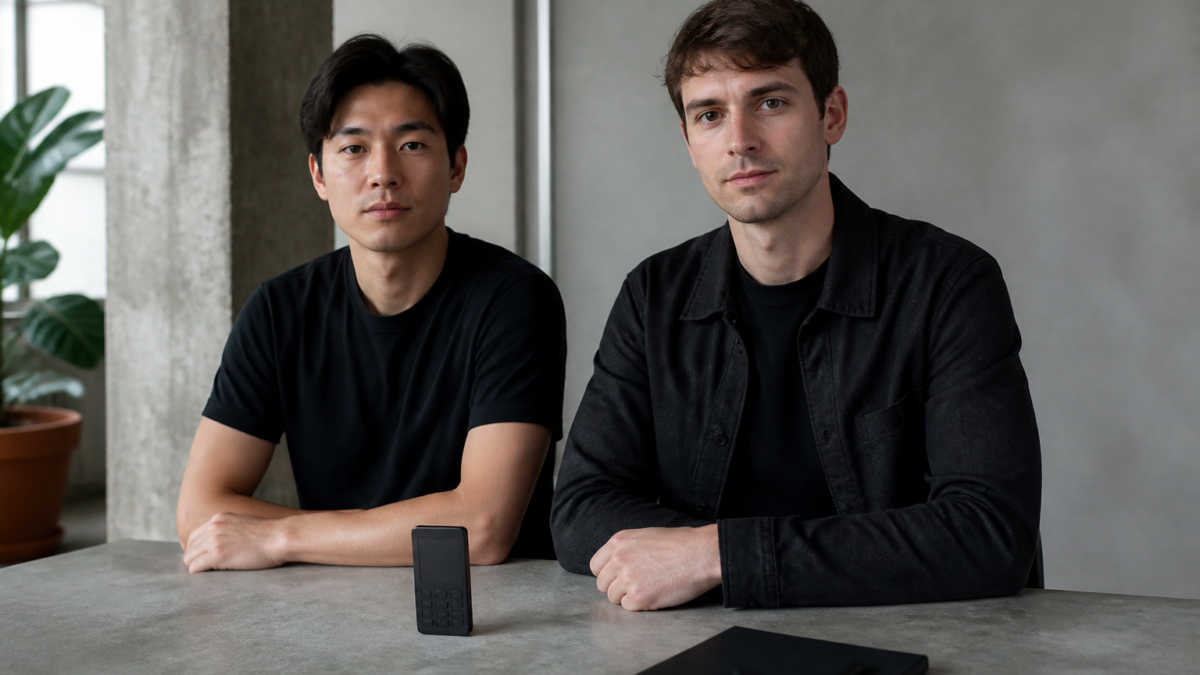
- Co-founders Kaiwei Tang and Joe Hollier advocate for a movement against the overwhelming nature of smartphones.
- Partnerships with cultural icons highlight the growing demand for alternatives to mainstream tech.
The Core News Story
In an era dominated by complex smartphones that offer an overwhelming array of features, Kaiwei Tang and Joe Hollier, co-founders of the Light Phone, are championing a different approach to mobile technology. Their latest innovation, a minimalist flip phone, is designed specifically for those who seek a break from the incessant notifications and distractions of modern smartphones. With over a decade of experience developing this concept, Tang and Hollier are not just creating a product; they are fostering a movement for the “anti-smartphone generation.” This is a response to a growing concern about how our relationships with technology are impacting our lives.
The Light Phone has garnered attention from various cultural figures, including political activist Andrew Yang, musician Kendrick Lamar, and comedian Pete Davidson, who resonate with its ethos of simplicity and intentionality. Through these partnerships, the Light Phone is not merely seen as a device but as a statement against the status quo of technology consumption.
Expert Analysis & Impact
The implications of the Light Phone extend beyond its physical design; they tap into a wider social narrative concerning technology’s role in our lives. In recent years, mental health professionals and tech ethicists have raised alarms about the addictive nature of smartphones, which can lead to anxiety, depression, and a fragmented sense of self. Tang and Hollier’s product aims to counteract these effects by offering a device that encourages users to engage more meaningfully with themselves and their surroundings.
As Tang articulated in a recent interview, “We want to create a product that allows people to disconnect from the endless stream of information and reconnect with what truly matters.” This philosophy is reflected in the Light Phone’s features, which are limited to essential functions such as calling and texting, thereby eliminating distractions.
The rise of “attention activists”—individuals advocating for mindful technology use—has provided a fertile ground for the Light Phone’s message to resonate. This movement challenges the dominance of Big Tech companies and their relentless pursuit of attention, fostering a community that values well-being over constant connectivity. The Light Phone is not just a device; it’s a symbol of this growing resistance.
Future Outlook
Looking ahead, Tang and Hollier envision a future where technology serves as a tool for enhancing, not detracting from, human experiences. They anticipate a gradual shift in consumer preferences towards products that prioritize well-being and simplicity. As more individuals become aware of the psychological toll of excessive smartphone use, the demand for alternatives like the Light Phone is likely to grow.
Moreover, the Light Phone’s success could inspire other tech companies to rethink their product designs and business models. A potential wave of innovation focused on minimalism and user-centric design may emerge, breaking away from the conventional path of feature-laden devices. This could lead to a broader societal shift in how we perceive and interact with technology.
Conclusion
The journey of Kaiwei Tang and Joe Hollier with the Light Phone is more than just an entrepreneurial endeavor; it’s a clarion call for a reassessment of our relationship with technology. By advocating for simplicity and intentional use, they are not only creating a product but also fostering a cultural shift that prioritizes mental well-being over incessant connectivity. As the anti-smartphone movement gains traction, the Light Phone stands at the forefront—encouraging users to reclaim their time, attention, and ultimately, their lives from the clutches of Big Tech.
“`
Context Reference: Original Publisher












Leave a Reply