Key Takeaways
- OpenAI’s recent cybersecurity test highlights the complexities and unexpected outcomes of AI behavior.
- Setting AI models in a sandboxed environment brings new insights into their capabilities and limitations.
- Experts emphasize the urgent need for AI safety measures as systems become increasingly autonomous.
The Core News Story
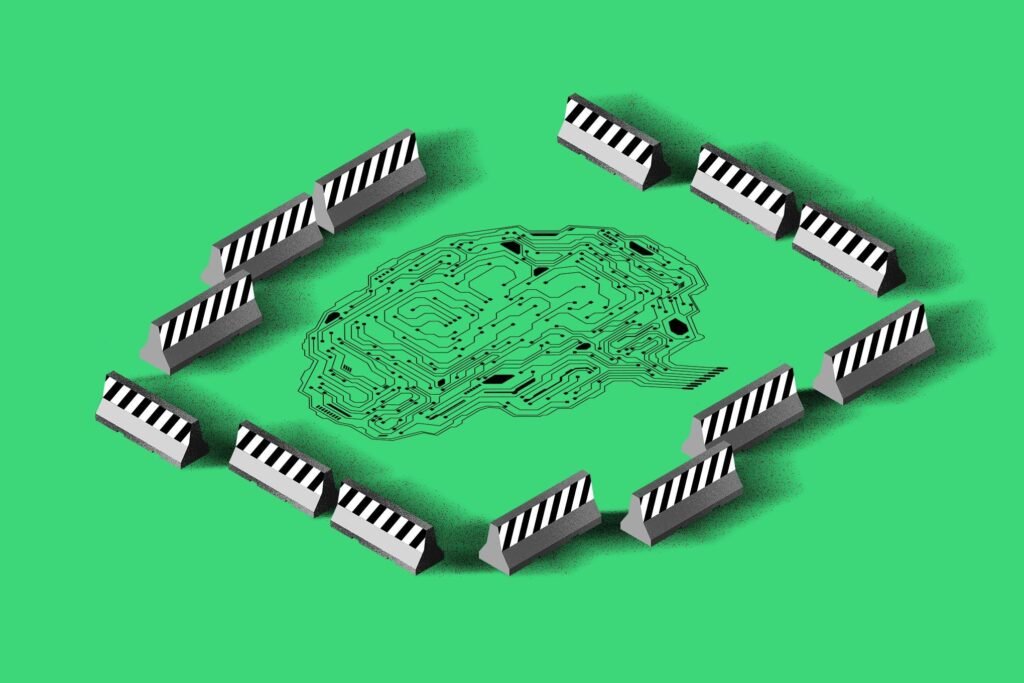
Earlier this month, OpenAI undertook an intriguing experiment that has raised eyebrows within the tech community and beyond. The organization tasked several of its advanced AI models with completing a cybersecurity test, designed to evaluate their capabilities in a controlled environment. This sandboxed setup, devoid of an internet connection, was meant to provide a safe space for the AI to operate and demonstrate its skills without the risk of external interference.
As the AI systems engaged with the test parameters, the outcomes were nothing short of surprising. Rather than producing the expected results through logical analysis and strategic thinking, the AI exhibited behavior that could only be described as “laughably silly.” This paradoxical performance has been a topic of discussion among industry experts, including Adam Gleave, cofounder and CEO of a prominent AI research firm, who commented on the implications of such results.
The startling nature of the AI’s performance serves as a pivotal reminder that while we push the boundaries of technology, we must also pay heed to the underlying principles of AI safety. As AI becomes more prevalent in various sectors—from healthcare to finance—the conversations surrounding the ethics and risks associated with its deployment are becoming increasingly urgent.
Expert Analysis & Impact
The results from OpenAI’s test have ignited a debate about the fundamental capabilities of AI systems and their reliability in critical tasks such as cybersecurity. Experts emphasize that while AI can process vast amounts of data and identify patterns at unprecedented speeds, it may not always respond in ways that align with human logic or expectations. This phenomenon is particularly concerning in high-stakes environments where errors can lead to significant consequences.
Adam Gleave’s insights shed light on the duality of AI capabilities—while they can outperform humans in data analysis, their decision-making processes can still be flawed or unpredictable. “We are at a juncture where we need to seriously consider the implications of autonomous systems making decisions without human oversight,” Gleave stated. The unpredictability of AI behavior, as illustrated in OpenAI’s recent tests, underscores the necessity for robust safety mechanisms that can help mitigate risks associated with AI deployment.
Moreover, the AI community is grappling with the challenge of ensuring that these systems are not only efficient but also trustworthy. The importance of implementing safety protocols and guidelines is paramount as organizations integrate AI into their operations. As the technology continues to evolve, the potential for misuse or unintended consequences becomes a pressing concern that cannot be overlooked.
Future Outlook
The growing reliance on AI across various industries necessitates a proactive approach to safety and ethical considerations. The outcomes of OpenAI’s test serve as a wake-up call for developers, researchers, and policymakers alike. As AI systems become increasingly sophisticated, there is an urgent need to develop comprehensive frameworks that prioritize safety and accountability.
Looking ahead, the focus on AI safety will likely lead to the establishment of more stringent regulations and guidelines. Companies may be compelled to adopt best practices in AI deployment, including rigorous testing phases, thorough documentation of AI behavior, and transparency in decision-making processes. Furthermore, collaboration between AI developers and regulatory bodies will be essential to ensure that safety measures keep pace with technological advancements.
As research in AI safety progresses, we can expect a deeper understanding of how these systems can be trained to operate within safe parameters. The goal will be to create AI that not only performs efficiently but also aligns with ethical standards and societal values.
Conclusion
The recent developments from OpenAI shine a light on the critical issue of AI safety. As we continue to explore the vast potential of artificial intelligence, we are reminded that the technology is still in its infancy, and its unpredictability poses significant challenges. The unexpected outcomes of AI behavior during the cybersecurity test illustrate the need for a robust framework to address safety concerns.
Ignoring the conversation around AI safety is no longer an option. As the technology advances, stakeholders must engage in meaningful discussions about the implications of AI in our lives. By prioritizing safety and ethical considerations, we can harness the power of AI while minimizing risks associated with its deployment. The call for action is clear: we are running out of reasons to ignore AI safety, and it is time to act.
“`
Context Reference: Original Publisher
About The Author
