
Key Takeaways
- BYD is set to unveil its first humanoid robot, signaling a new chapter in robotics.
- The company’s foray into robotics may parallel the smartphone revolution and the rise of VR technology.
- Industry experts speculate on the potential societal and technological impacts of humanoid robots.
The Core News Story
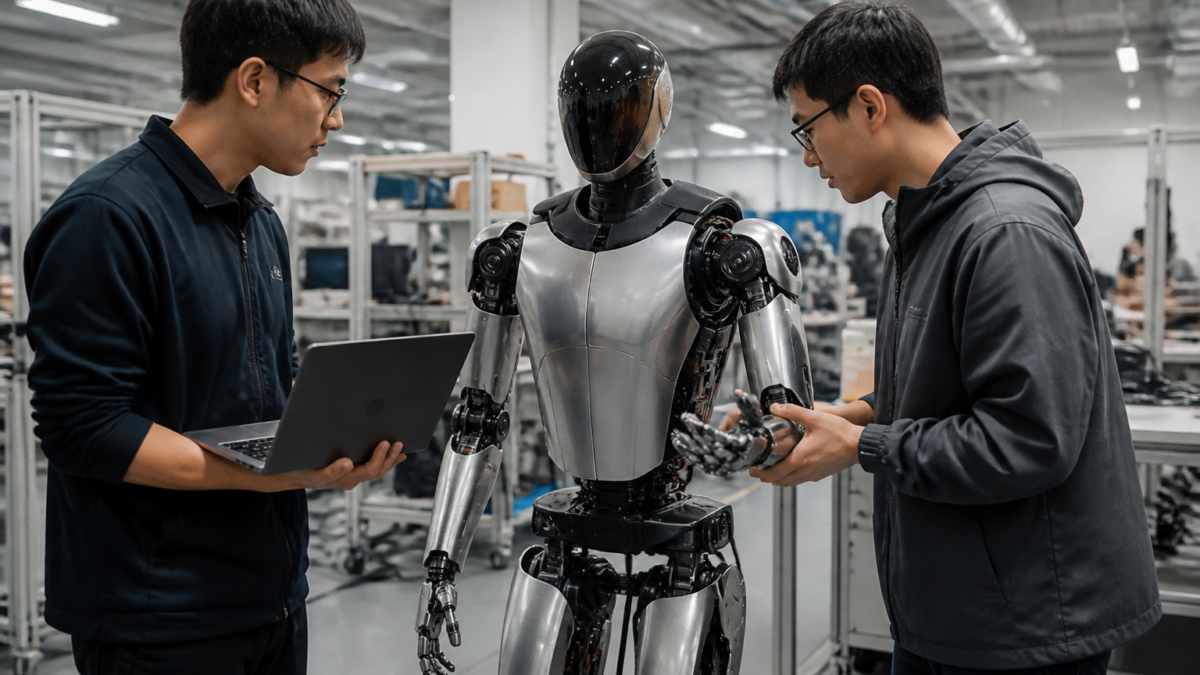
Recently, BYD, the renowned Chinese electric vehicle manufacturer, hinted at a significant advancement in its technological portfolio. The company is reportedly gearing up to unveil a humanoid robot for the first time, a landmark event that has already sparked considerable interest within the tech community. Over the weekend, BYD shared a teaser image via its WeChat account, specifically from the Di Space Zhengzhou site—a hub dedicated to offline science education and experiential learning. This announcement has generated buzz and curiosity, prompting many to ponder the implications of such a development.
While BYD has not disclosed extensive details about the robot, the teaser suggests that it will be a humanoid design, which has traditionally been a focal point for robotics innovators. Humanoid robots are often viewed as the pinnacle of robotic design, capable of mimicking human movements and interactions. This aligns with BYD’s reputation for pushing boundaries in technology, particularly in the automotive sector.
Expert Analysis & Impact
Industry analysts are weighing in on the implications of BYD’s entry into the humanoid robotics market. Some experts liken this moment to the early days of smartphone technology, when companies like Apple and Samsung began to revolutionize communication and interaction through portable devices. The smartphone revolution not only changed how we communicate but also transformed various industries, including entertainment, retail, and education.
Similarly, the advent of humanoid robots may herald a new era of interaction between humans and machines. As robots become more integrated into daily life—assisting in homes, workplaces, and even schools—the potential for societal change is immense. Some specialists argue that humanoid robots could serve as companions, caregivers, or even educators, fundamentally altering how we approach daily tasks and social interactions.
In contrast, others are cautious, drawing parallels to the virtual reality (VR) headset boom. While VR technology initially garnered significant excitement and investment, its actual adoption has been slower than anticipated. Factors such as high costs, limited content, and usability have hindered widespread acceptance. Experts warn that BYD must navigate similar pitfalls to ensure its humanoid robots do not end up as novelties rather than practical tools.
Future Outlook
As BYD prepares for its robot reveal, the future of humanoid robotics remains uncertain but intriguing. The company’s established reputation in electric vehicles and battery technology could provide a solid foundation for developing advanced robotic systems. This advantage may enable BYD to innovate rapidly, potentially leading to breakthroughs that could streamline production, enhance functionality, and reduce costs.
Moreover, the global push towards automation and AI integration in various sectors suggests that the demand for humanoid robots will continue to grow. Industries such as healthcare, hospitality, and education may see significant benefits from incorporating humanoid robots into their operations, enhancing efficiency and service delivery.
However, for BYD to truly succeed in this venture, it must prioritize user experience and practical applications. Engaging with potential users and stakeholders during the development process will be crucial. By understanding the specific needs and concerns of various industries, BYD can tailor its robots to meet real-world demands, ultimately ensuring their adoption and integration.
Conclusion
BYD’s impending humanoid robot reveal marks a pivotal moment in the intersection of technology and society. While some draw parallels to the transformative nature of smartphones, others caution against the potential pitfalls highlighted by the VR headset experience. As the line between human and machine continues to blur, the implications of humanoid robots could reshape our daily lives in ways we have yet to fully comprehend.
As we await more details from BYD, one thing is clear: the robot craze is gaining momentum, and the world is watching closely. Will BYD’s humanoid robot be a game changer like the smartphone, or will it face the same hurdles as VR technology? Only time will tell, but the excitement surrounding this reveal undoubtedly signals a new chapter in the evolution of robotics.
“`
Context Reference: Original Publisher













Leave a Reply