
Key Takeaways
- Saudi Prince Alwaleed bin Talal invests $2 billion for a 5% stake in Lucid Motors.
- This investment raises speculation about a potential privatization of Lucid Motors, a claim the company has denied.
- The deal highlights the growing influence of Saudi investments in the electric vehicle (EV) sector.
The Core News Story
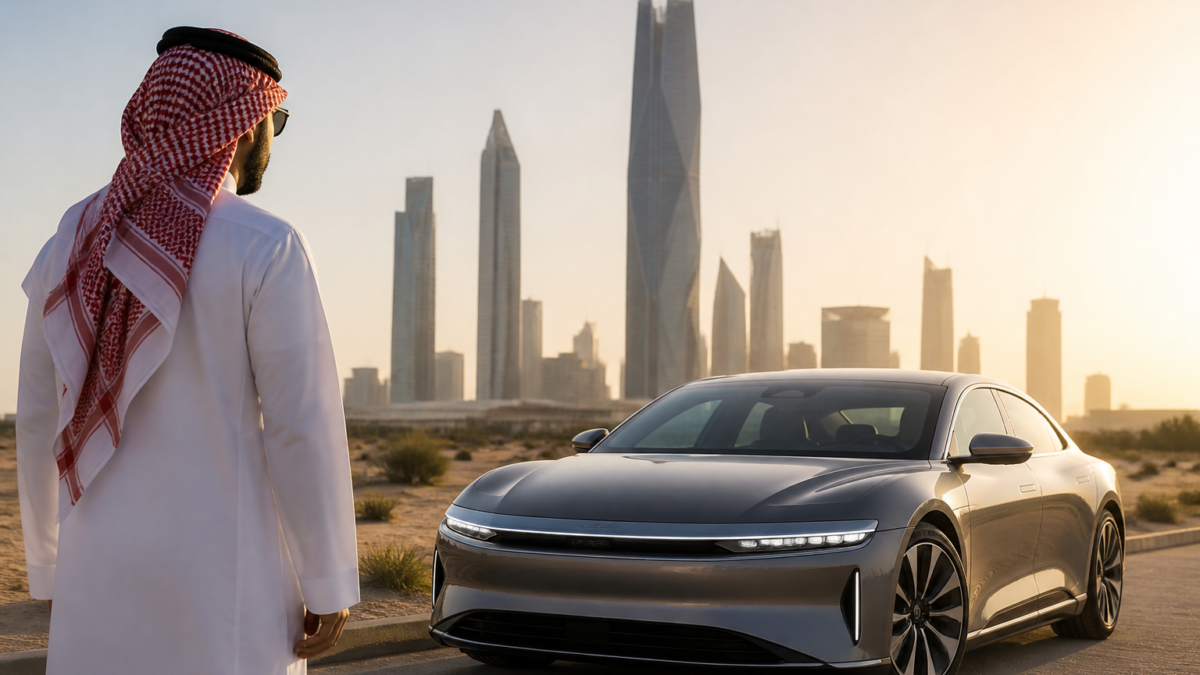
In a significant move for the electric vehicle (EV) landscape, Saudi Prince Alwaleed bin Talal has acquired a 5% stake in Lucid Motors, a company recognized for its luxury electric sedans. The investment, which amounts to approximately $2 billion, comes at a time when Lucid Motors is navigating the complexities of a competitive EV market.
Lucid Motors, an American automotive company that specializes in electric vehicles, has been touted for its innovative technologies and high-performance models. Despite facing challenges in production and delivery, the company has worked diligently to carve out a niche within the luxury EV segment. The influx of capital from the Saudi royal, known for his savvy investments, could provide a much-needed boost to Lucid’s operations.
Speculation has arisen that this investment may be a precursor to Saudi Arabia taking Lucid Motors private, a notion that the company has firmly denied. Lucid has emphasized its commitment to remaining a publicly traded entity, despite the potential advantages of being privately held, such as greater operational flexibility and reduced pressure from shareholders.
Expert Analysis & Impact
Experts in the automotive and financial sectors view this investment as a strategic alignment between Saudi Arabia’s broader economic goals and the future of sustainable transportation. The Saudi government has been seeking to diversify its economy, historically reliant on oil revenues, and investing in electric vehicles is a key component of this strategy.
The partnership could also signal a shift in the competitive dynamics of the EV market. With Saudi Arabia’s wealth and resources backing Lucid Motors, the company could accelerate its research and development efforts, enhance production capabilities, and expand its market reach. Analysts suggest that this could lead to a more formidable competitor for industry giants such as Tesla and traditional automakers transitioning to electric vehicles.
Moreover, the investment aligns with Prince Alwaleed’s history of supporting innovative technology companies. His previous investments include stakes in Uber and other tech firms, indicating a pattern of backing companies that are shaping the future of mobility. This move could also enhance Lucid’s brand perception, leveraging the reputation and influence of the Saudi royal family in global markets.
Future Outlook
Looking ahead, the implications of this investment are multi-faceted. For Lucid Motors, the influx of capital could facilitate the launch of new models and expansion into new markets. The company has already announced plans to introduce additional variants of its flagship model, the Lucid Air, which could further attract a discerning clientele.
However, the road to success is fraught with challenges. Lucid Motors must address its production delays and supply chain issues to meet growing customer demand. The influx of Saudi investment may provide short-term relief, but long-term sustainability will depend on effective management of operational hurdles.
Furthermore, the broader EV market is becoming increasingly competitive, with numerous players, including established automakers and startups, vying for market share. As consumer preferences shift toward sustainable and electric options, Lucid Motors must innovate continuously and adapt to changing market conditions to maintain its competitive edge.
Conclusion
The acquisition of a 5% stake in Lucid Motors by Saudi Prince Alwaleed bin Talal represents more than just a financial investment; it marks a significant step in the evolution of the electric vehicle industry and highlights the growing collaboration between luxury automotive brands and affluent investors. While the speculation of privatization has been dismissed, the strategic implications of this investment could redefine Lucid Motors’ trajectory in the coming years.
As the EV market continues to evolve, the influence of Saudi investments may play a critical role in shaping the future of sustainable transportation. For Lucid Motors, the challenge will be to leverage this investment effectively to enhance its operational efficiency, innovate its product line, and ultimately, fulfill its promise as a leader in the luxury electric vehicle segment.
“`
Context Reference: Original Publisher













Leave a Reply