Key Takeaways
- The Iraqi Prime Minister’s visit aims to enhance strategic cooperation between Iraq and Turkiye.
- Discussions will address critical issues including security, water resources, and economic collaboration.
- Both nations face geopolitical complexities that could impact the outcomes of these negotiations.
The Core News Story
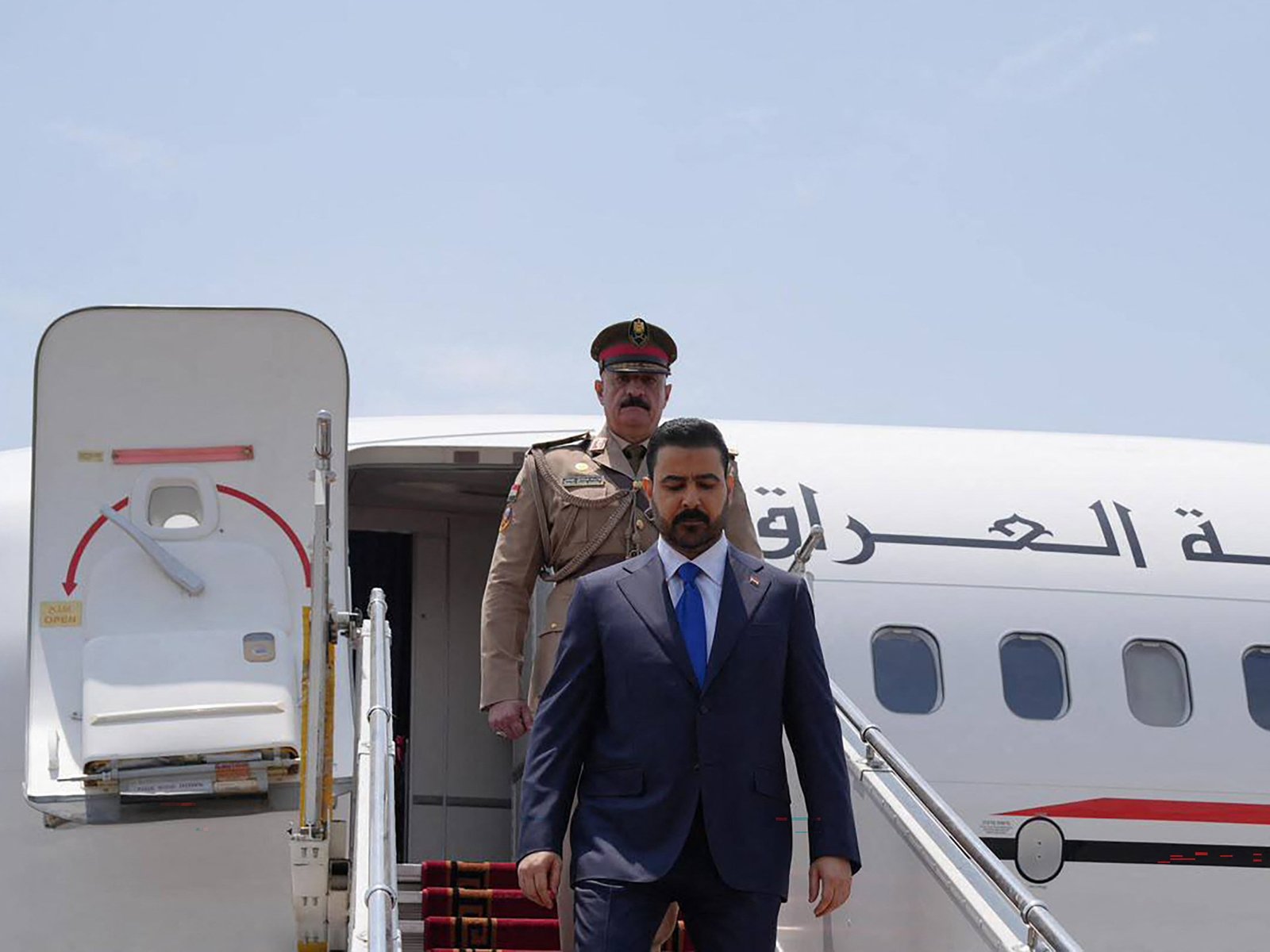
In a significant diplomatic move, Iraqi Prime Minister Mohammed Shia’ Al Sudani embarked on a visit to Turkiye to bolster bilateral relations, particularly in the realms of strategic cooperation, security, and economic growth. This visit is seen as a pivotal step in addressing the multifaceted challenges both countries face, especially in the context of regional dynamics and internal pressures.
During his visit, which includes meetings with Turkish President Recep Tayyip Erdoğan and other key government officials, Al Sudani’s agenda centers around fostering a collaborative partnership that can tackle pressing issues such as security threats posed by extremist groups, water resource management stemming from shared river systems, and the need for economic revitalization in both nations.
The backdrop of this visit is marked by various complexities, including historical grievances, territorial disputes, and the influence of external powers in the region. As such, the discussions are not merely administrative but are laden with deeper implications for both nations’ futures.
Expert Analysis & Impact
Analysts suggest that the Iraqi Prime Minister’s visit is a strategic maneuver to strengthen Iraq’s position amidst a backdrop of shifting alliances and increasing pressures from neighboring countries. According to Dr. Leyla Barzani, a Middle East expert, “This visit reflects Iraq’s desire to assert its sovereignty and enhance its regional influence while navigating a complicated geopolitical landscape.”
Security cooperation is a focal point of the discussions, particularly in light of the ongoing threats from groups like ISIS and the Kurdish separatist PKK. The two countries have previously collaborated on security initiatives, and this meeting is expected to further solidify those efforts. “Joint security operations could provide a more robust framework for combating shared threats,” states Dr. Barzani.
Water resource management is another critical issue on the agenda. Iraq has been facing significant water scarcity, exacerbated by upstream dam projects in Turkiye. The two leaders are anticipated to discuss equitable water usage, with a focus on reaching an agreement that satisfies both nations’ needs. “Water diplomacy will be essential for ensuring long-term peace and cooperation,” notes environmental policy expert Dr. Ahmet Yılmaz.
Economically, both nations stand to benefit from enhanced trade relations, especially in sectors such as energy, construction, and agriculture. As Iraq seeks to rebuild its economy following years of conflict, increased collaboration with Turkiye could provide vital support. “This visit is a chance for Iraq to attract Turkish investment, which is crucial for its economic recovery,” suggests Dr. Yılmaz.
Future Outlook
The outcomes of the meeting between Al Sudani and Erdoğan could set the tone for future relations between Iraq and Turkiye. If successful, these discussions may lead to the establishment of formal agreements that enhance cooperation in security, water management, and economic initiatives, paving the way for a more stable and prosperous relationship.
However, the road ahead is fraught with challenges. Domestic political pressures within both nations, as well as external influences from global powers, could complicate the implementation of any agreements reached. Additionally, the historical context of both countries’ interactions poses a risk of skepticism and resistance to change.
Experts warn that while the intentions may be positive, actual progress will depend on the ability of both governments to navigate their complex histories and current realities. “Sustained dialogue and commitment from both sides will be critical in transforming discussions into tangible outcomes,” emphasizes Dr. Barzani.
Conclusion
The visit of Iraqi Prime Minister Mohammed Shia’ Al Sudani to Turkiye represents a crucial moment in the evolution of bilateral relations between the two nations. With a focus on strategic cooperation, security, water resources, and economic collaboration, both leaders have the opportunity to address pressing challenges that have historically strained their relationship.
As they embark on this diplomatic journey, the effectiveness of their negotiations will likely shape not only the future of Iraq and Turkiye but also the broader dynamics of the Middle East. The world will be watching closely to see if this meeting results in actionable agreements that can foster stability and prosperity in a region known for its complexities.
“`
Context Reference: Original Publisher
About The Author