
Key Takeaways
- Ameren Missouri plans to construct a 2.1 GW gas plant in St. Charles County despite rising turbine costs.
- Supply chain issues are driving up the prices of new gas turbines, creating a challenging economic landscape.
- Solar and energy storage technologies continue to emerge as cost-competitive alternatives to traditional gas plants.
The Core News Story
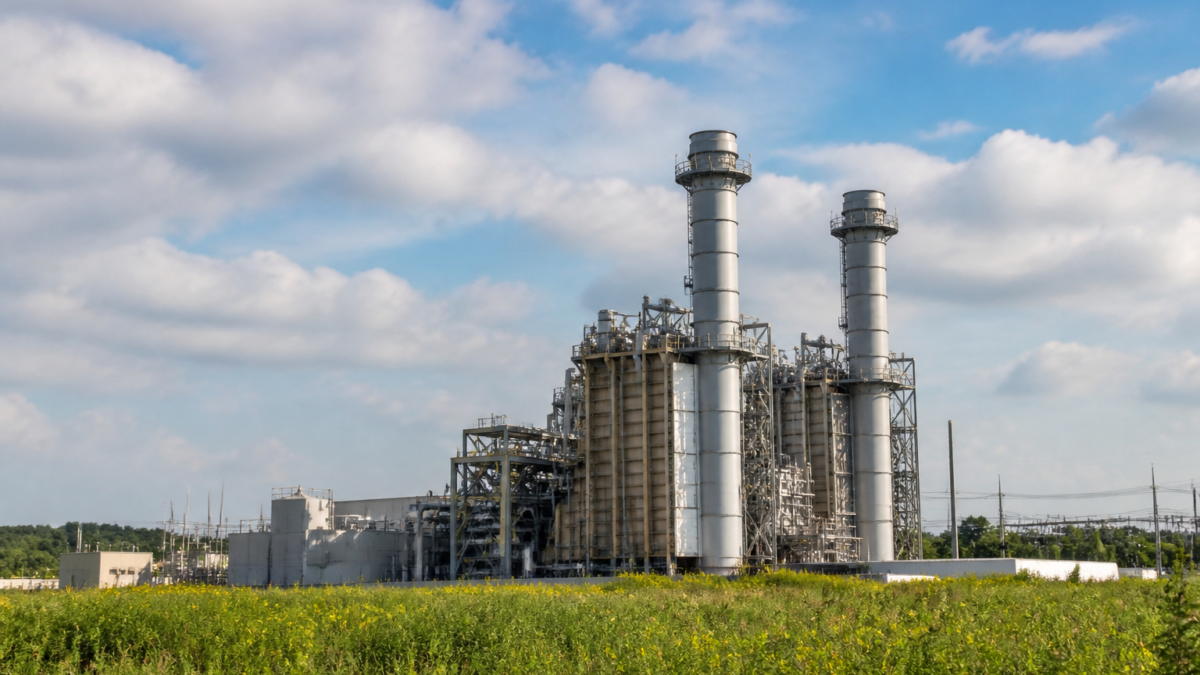
ST. LOUIS, MO — In a bold move that underscores the complexities of the current energy landscape, Ameren Missouri has announced plans to construct a new 2.1 gigawatt (GW) gas plant in St. Charles County. This decision comes at a time when supply chain challenges are significantly inflating the costs of new gas turbines, raising concerns about the financial implications of such an investment.
Ameren Missouri’s announcement reflects a strategic commitment to expanding its energy generation capabilities. However, the press release leaves out critical details about the anticipated costs and the economic rationale behind this multi-million-dollar project. With the energy sector evolving rapidly, the question arises: Is investing in gas infrastructure the right choice for a sustainable future?
Expert Analysis & Impact
The rise in costs for gas turbines can be attributed to a variety of supply chain disruptions, including shortages of essential materials and transportation delays exacerbated by global events. Experts suggest that these factors could lead to increased electricity prices for consumers, as utilities may feel compelled to pass on higher operational costs.
Additionally, the timing of Ameren’s investment raises eyebrows, especially as renewable energy technologies, particularly solar and energy storage, continue to gain ground. Analysts point out that the rapid decline in the costs of solar panels and battery storage solutions presents a competitive challenge to traditional gas plants. As renewable energy becomes more economically feasible, the long-term viability of such gas investments may come into question.
Furthermore, Ameren’s decision appears to be at odds with broader trends in energy policy, which are increasingly favoring decarbonization and sustainability. Many states are setting ambitious targets for reducing greenhouse gas emissions, and investment in gas infrastructure could conflict with these goals.
Future Outlook
As Ameren Missouri moves forward with its gas plant plans, the utility will likely face increasing scrutiny from environmental advocates and regulatory agencies. The energy market is shifting toward a more sustainable model, and utilities must navigate this transition carefully.
In the coming years, Ameren will have to justify its investment in gas generation amid growing competition from renewables. Should solar and storage technologies continue their trend of cost reduction, utilities like Ameren may find themselves under pressure to pivot toward cleaner energy sources.
Moreover, the success of this gas plant could hinge on its ability to operate efficiently in a market that is increasingly leaning toward sustainable energy solutions. If Ameren can integrate renewable technologies with its gas infrastructure, it might create a more balanced energy portfolio that satisfies both economic and environmental objectives.
Conclusion
Ameren Missouri’s ambitious plans to construct a new gas plant come at a time of significant economic and environmental change within the energy sector. While the utility aims to enhance its capacity to meet consumer demand, the decision is fraught with potential risks, particularly given rising turbine costs and the increasing competitiveness of renewable energy sources.
The future of energy generation in Missouri will depend on how well Ameren can adapt to these challenges and align its strategies with the broader goals of sustainability and innovation. As the energy landscape continues to evolve, the company’s commitment to gas infrastructure will be closely watched by stakeholders and consumers alike.
“`
Context Reference: Original Publisher













Leave a Reply