
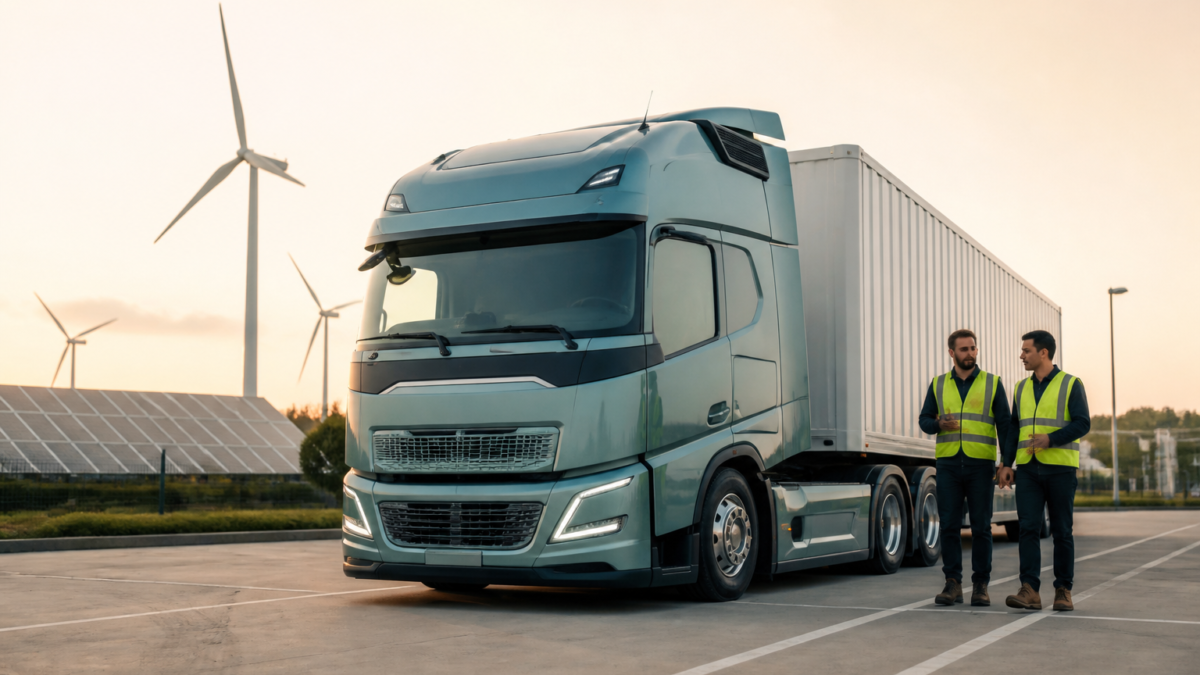
Electrifying the Roads: Volvo’s Commitment to Sustainable Transport
In an ambitious move set to revolutionize the logistics and transportation landscape in Australia, Volvo Group Australia recently announced the launch of its electric heavy trucks at its state-of-the-art manufacturing facility in Wacol, near Brisbane, Queensland. As industries worldwide strive for sustainable solutions, Volvo takes the lead by introducing electric semi-truck trailers produced locally, providing a promising glimpse into the future of transportation.
The Significance of Local Production
Producing electric trucks in Queensland is not just about meeting domestic needs; it’s a strategic initiative aimed at reinforcing Australia’s position in the global electric vehicle (EV) market. With the initial units fresh off the production line, Volvo’s decision comes at a crucial time when the demand for sustainable transport options is surging.
The electric heavy trucks manufactured in Wacol are designed to cater to Australian conditions, providing requirements that align with local industry standards while also contributing to lowering carbon emissions. The impact of this move extends beyond production, as it fosters local job creation and stimulates economic growth within the region.
Revolutionizing Logistics with Electric Technology
Volvo’s electric heavy trucks are engineered with cutting-edge technology that promises enhanced performance and efficiency. These trucks prioritize:
- Zero Emissions: One of the primary advantages of electric trucks is their ability to operate without emitting harmful pollutants. This is a significant step towards combating climate change and fostering healthier urban environments.
- Lower Operating Costs: The transition to electric vehicles translates to decreased fuel expenses and lower maintenance costs. This not only benefits logistics companies but also provides a more sustainable economic model.
- Innovative Design: The trucks boast advanced features that optimize load capacity and aerodynamics, ensuring efficiency without compromising on power or performance.
Supporting Infrastructure: The Road Ahead
The successful rollout of Volvo’s electric heavy trucks is also contingent on establishing a supportive infrastructure across Australia. This includes the development of:
- Charging Stations: To facilitate the widespread adoption of electric heavy trucks, a robust network of charging stations is essential. Volvo is committed to collaborating with local governments and businesses to ensure that charging solutions are both accessible and efficient.
- Maintenance Facilities: Formulating specialized services and maintenance centers for electric trucks will be pivotal in sustaining their lifecycle and enhancing operational reliability.
- Training Programs: As the workforce adapts to a more electrified transportation sector, comprehensive training programs will ensure that technicians and operators are well-equipped to handle new technologies.
Driving Change: A Collaborative Approach
Volvo Group Australia recognizes that the shift towards electric transport is not a solitary journey. The company is fostering partnerships across the supply chain, including collaborations with state and federal governments, logistics companies, and technology providers. By leveraging shared resources and expertise, Volvo aims to accelerate the adoption of electric heavy vehicles throughout Australia.
A Sustainable Future: Environmental Impact
The introduction of these electric heavy trucks is poised to significantly alter the environmental landscape within the transportation sector. With the Australian transport industry contributing a substantial share to the nation’s overall greenhouse gas emissions, the transition to electric vehicles offers a viable path towards achieving Australia’s climate goals. Volvo’s electric trucks will not only reduce emissions but will also enhance energy efficiency, underscoring the viability of electric vehicles in commercial applications.
Looking to the Future
As the first electric heavy trucks emerge from the Wacol plant, Volvo’s pioneering venture signifies a transformative shift within the Australian transportation industry. This development does not simply mark an increase in electric vehicle production; it represents a paradigm shift towards sustainability, economic growth, and technological innovation.
Industry stakeholders, policymakers, and consumers alike are eagerly watching how Volvo’s initiative unfolds in the coming months and years. The success of these electric heavy trucks could pave the way for broader adoption of electric vehicles across various sectors, fundamentally altering the transportation landscape for the better.
Conclusion
The manufacturing of electric heavy trucks in Queensland underlines Volvo’s commitment to innovating within the electric vehicle market. By addressing both environmental and economic concerns, these trucks stand to redefine logistics in Australia while aligning with global sustainability objectives. As Volvo Group Australia leads the charge, the call for a greener, cleaner future in transportation has never been more resonant.
Source & Original Coverage: Original Publisher













Leave a Reply