
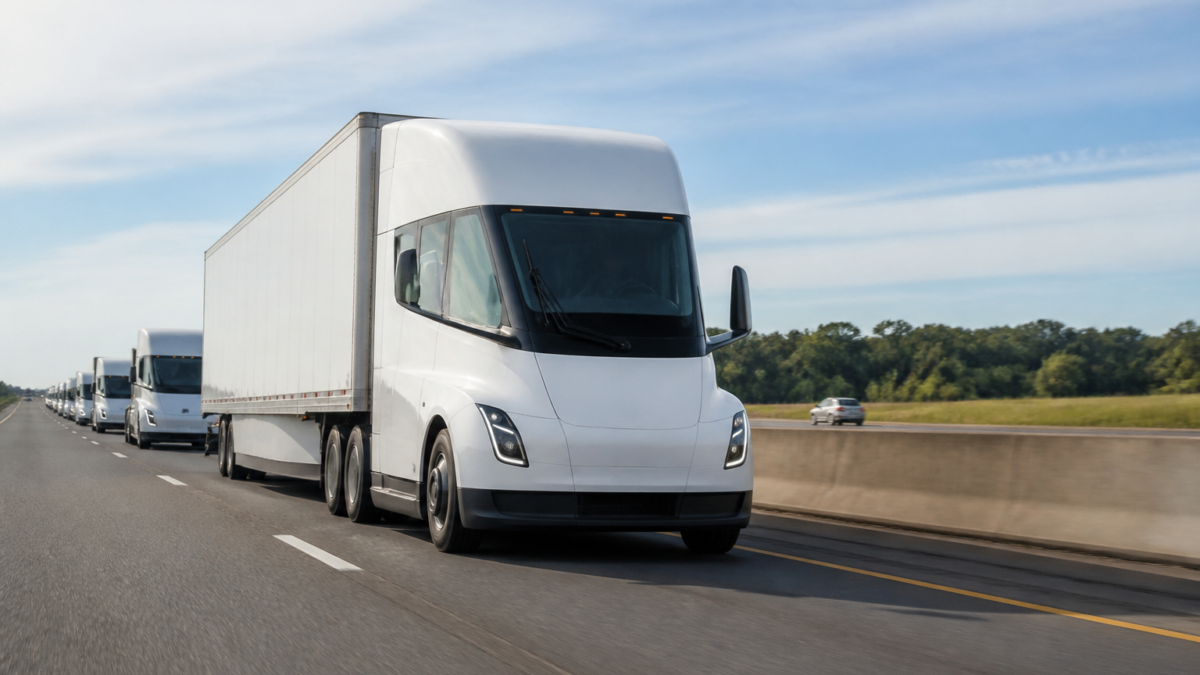
Windrose Takes Charge: Deploying 10 Electric Semi Trucks Along Texas I-35 Corridor
The electric vehicle revolution is charging ahead, and Texas is becoming a central hub for this transformative technology. Among the key players in this evolving landscape is Windrose, an emerging brand in electric heavy-duty trucking led by visionary entrepreneur Wen Han. Recently, Windrose announced a significant step forward: the deployment of 10 fully electric Class 8 semi trucks on the busy freight corridor of Interstate 35 between Dallas and Laredo, with ambitious plans leading to the Mexico border.
The Significance of the I-35 Corridor
The I-35 corridor is a critical artery for trade and transport, connecting major cities and facilitating the movement of goods across state lines and international borders. This route sees thousands of trucks daily, making it an ideal location for testing and showcasing electric semi trucks.
As e-commerce and freight demands escalate, transitioning to electric semi trucks could offer substantial environmental benefits while meeting this growing logistical need. Windrose’s decision to deploy these electric vehicles is a clear indication that the future of transportation not only includes sustainability but also efficiency in goods movement.
Challenges on the Road Ahead
While the deployment of these electric trucks marks an exciting development, it’s important to acknowledge the challenges ahead:
- Charging Infrastructure: An extensive charging network is crucial for the success of electric trucks. Windrose’s ability to locate and implement sufficient charging stations along I-35 will significantly affect the operational efficiency of their fleet.
- Battery Range: These Class 8 trucks need to prove they can handle long distances with heavy loads. Concerns regarding battery performance under varied load conditions need to be thoroughly addressed.
- Regulatory Hurdles: Navigating state and federal regulations concerning electric vehicle deployment and freight transport can be intricate, requiring thorough diligence from Windrose.
- Market Competition: With established brands like Tesla and Nikola already making strides in the electric truck arena, Windrose must carve out its niche and demonstrate reliability to stand out.
Windrose’s Technological Edge
To overcome these challenges, Windrose is leveraging cutting-edge technology in their electric truck design. The semi trucks will feature:
- High-Efficiency Motors: The trucks are equipped with advanced electric motors designed for peak performance, ensuring they can successfully navigate the demanding freight environment.
- Smart Fleet Management: Integrating AI and IoT technology, Windrose aims to enhance route planning, maintenance scheduling, and energy consumption monitoring, optimizing operational reliability.
- Robust Safety Features: Emphasizing the importance of safety in transportation, Windrose plans to include state-of-the-art safety features that exceed current industry standards.
Economic and Environmental Impact
The arrival of Windrose’s electric semi trucks has promising implications for both the local and broader economy. Transitioning to electric vehicles can contribute to:
- Job Creation: The deployment will likely create jobs in construction, maintenance, and operations related to electric vehicle technology and infrastructure.
- Environmental Benefits: Reducing emissions from heavy-duty trucks leads to cleaner air quality, a pressing public health issue in urban areas.
- Cost Savings: Over time, electric trucks are anticipated to reduce fuel and maintenance costs significantly, allowing for lower shipping rates and benefiting consumers.
Looking Forward: The Future of Electric Trucks in Texas
As Windrose embarks on this ambitious journey, all eyes will be on their progress along the I-35 corridor. If successful, this deployment could serve as a model for future electric vehicle implementations across the country, paving the way for a sustainable freight transportation system. Furthermore, it reaffirms Texas’s position as a leader in the electric vehicle revolution, setting a precedent for other states to follow.
In conclusion, the arrival of Windrose’s electric semi trucks marks a pivotal moment in not just Texas logistics but also the global march toward greener transportation solutions. As more companies invest in electric vehicle technologies, we can expect an exciting—and ultimately necessary—shift in how goods are transported in the coming years.
Source & Original Coverage: Original Publisher













Leave a Reply