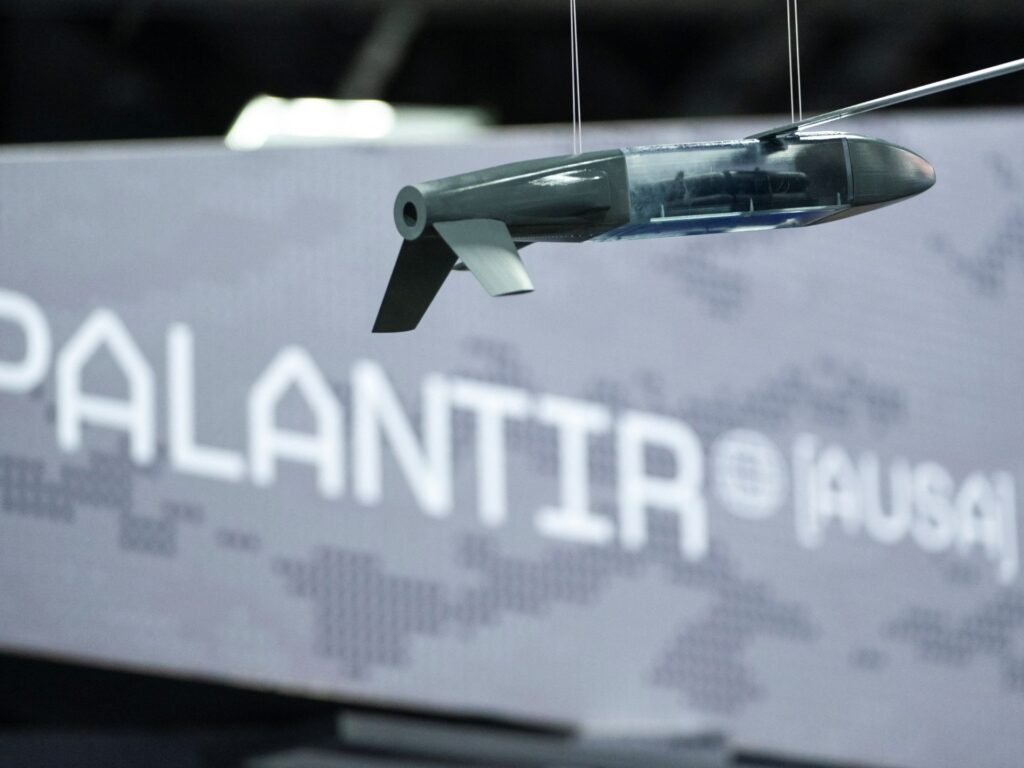
The Rise of the AI Military Complex: Key Players Shaping Modern Warfare
As nations race towards military modernization, artificial intelligence (AI) has emerged as a pivotal player in reshaping warfare dynamics. The infusion of billions of dollars into development is not just transforming combat strategies but also altering how governments view defense. In this comprehensive exploration, we’ll examine the main companies at the forefront of this AI military complex, their innovations, and the implications for global security.
The New Era of Military Technology
The military landscape is undergoing a seismic shift, facilitated by advancements in artificial intelligence. With the growing complexities of modern conflicts, from cyber warfare to unmanned operations, militaries worldwide are investing heavily in AI research and applications—propelling a select group of companies to the forefront.
Understanding the AI Military Complex
The term “AI Military Complex” refers to the burgeoning intersection of advanced technology and defense programs, where private sector innovations meet government military needs. This convergence is characterized by:
- Increased investment: Governments are channeling vast resources into AI technologies, recognizing their critical importance in national defense.
- Collaboration: Defense contractors and tech firms are forming strategic partnerships to leverage AI for enhanced military capabilities.
- Innovation: The race for AI-driven solutions is fostering rapid innovation, ranging from autonomous drones to predictive analytics for battlefield strategy.
Key Players in the AI Military Complex
Several companies have distinguished themselves as leaders in the integration of AI technologies within military frameworks. Here are some of the most significant contributors:
1. Lockheed Martin
Lockheed Martin is a global leader in aerospace, defense, and security. The company has substantially invested in AI to enhance its systems, particularly in areas like:
- Autonomous systems: The development of unmanned aircraft and drones that utilize machine learning for improved situational awareness.
- Cybersecurity: AI tools that predict and neutralize cyber threats in real-time.
2. Raytheon Technologies
Raytheon Technologies stands out for integrating AI in missile defense technologies and smart weapon systems. Their focus includes:
- AI in missile systems: Enhancing targeting accuracy and operational readiness through data analytics.
- Predictive maintenance: Utilizing AI to anticipate equipment failures, saving costs and improving reaction times.
3. Northrop Grumman
This company is at the cutting edge of developing AI for battlefield applications, focusing on:
- Unmanned aerial vehicles (UAVs): Incorporating machine learning algorithms for autonomous navigation and mission execution.
- Data analysis: Leveraging AI for analyzing vast datasets to inform military strategy and decision-making.
4. Palantir Technologies
Palantir specializes in big data analytics and has carved a niche in defense and intelligence sectors with its AI-driven platforms, emphasizing:
- Data integration: Helping military operations streamline vast amounts of intelligence data for actionable insights.
- Operational planning: Utilizing AI to simulate various operational scenarios and outcomes, enhancing strategic planning.
5. Boeing
Boeing is leveraging AI to innovate new defense solutions involving:
- Robotics and automation: Streamlining logistics and enhancing ground troop support with AI-powered delivery systems.
- Mission planning: Employing AI to improve the effectiveness of military missions through enhanced data processing.
The Implications of the AI Military Complex
The infusion of AI into military strategies brings both opportunities and challenges:
- Enhanced operational efficiency: AI can lead to faster decision-making and greater situational awareness.
- Ethical concerns: The development of autonomous weapons raises moral questions about accountability and the role of humans in warfare.
- Global arms race: As nations invest in AI technologies, there may be a heightened risk of escalation in military capabilities, potentially destabilizing regions.
Conclusion
As the AI military complex continues to evolve, the implications for global security are profound. With key players like Lockheed Martin, Raytheon, Northrop Grumman, Palantir Technologies, and Boeing leading the charge, the future of warfare is poised for transformation. While the potential to enhance military effectiveness is significant, the need for ethical considerations and international cooperation will become increasingly crucial in navigating this complex landscape.
Source & Original Coverage: Original Publisher