Federal Court Ruling Undermines Illinois’ Immigration Support Programs
Chicago—In a landmark decision that reverberates through the corridors of state power, a federal judge has deemed Illinois laws granting in-state tuition and financial aid to undocumented immigrants unconstitutional. This ruling is not only a significant legal setback for Governor J.B. Pritzker and his administration but also forms part of a broader narrative of policy shifts related to immigration in America under the Trump administration.
Understanding the Ruling
The ruling, delivered by U.S. District Judge Michael Mihm, is rooted in the interpretation of federal law versus state law concerning immigrant rights. Judge Mihm argued that the existing Illinois statutes offering financial assistance and reducing tuition rates for undocumented students ran counter to federal immigration policies. He emphasized that such state-level outreach efforts could inadvertently amplify tensions in ongoing national discussions over immigration reform.
“The federal government has laid out a framework concerning immigration status that must take precedence over state initiatives,” Judge Mihm stated. His ruling effectively nullifies provisions that began in 2011, allowing undocumented students who have graduated from Illinois high schools to access the same financial aid resources as their documented peers.
Implications for State Policy and Immigrant Communities
This ruling marks a pivotal moment for Illinois—one of the few states that had boldly extended educational opportunities to undocumented immigrants. While the implications are immediate, the ruling could resonate far beyond the state’s borders, potentially inviting similar challenges in states with progressive immigrant policies. Educational access and affordability remain critical issues amidst an already tense national discourse surrounding immigration.
- Impact on Students: The decision leaves approximately 40,000 undocumented students in Illinois seeking higher education in a precarious position. Many relied on the provisions now deemed unconstitutional to pursue their educational dreams.
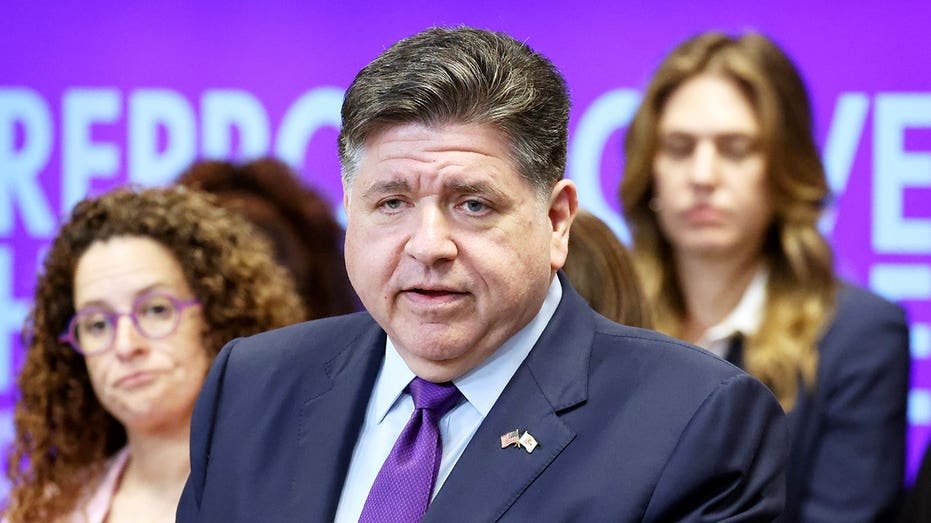
- Policy Response: Governor Pritzker has expressed his disappointment, stating, “This ruling undermines our values as a state that believes in broad access to education for all.” The administration plans to explore what legal avenues may still be open.
- Broader National Resonance: Observers suggest that this ruling could embolden other states governed by conservative lawmakers to challenge or dismantle similar programs, potentially curtailing educational opportunities nationwide.
A Win for the Trump Administration
This decision is part of a broader trend, closely aligned with the Trump administration’s focus on immigration enforcement and its commitment to rolling back what it considers overly permissive state laws. The administration’s perspective has been clear: prioritize federal immigration statutes over state-led initiatives designed to support undocumented immigrants.
The White House has endorsed the ruling, framing it as necessary to protect federal interests regarding immigration. “States should not step outside their jurisdiction,” an anonymous official from the Trump administration remarked. “It’s time to align policies in a way that reinforces the rule of law.” This perspective solidifies a national strategy that seeks to restrain local governments from implementing policies that favor undocumented immigrants.
The Political Landscape in Illinois
The fallout from this judicial decision is poised to stir a robust political response in Illinois. Governor Pritzker, a Democrat, has long been an advocate for immigrant rights, positioning his administration in stark contrast to the policies of the current federal administration. With the 2022 midterms approaching, this ruling could amplify concerns among voters regarding educational equity and equality within the state.
Progressive lawmakers in Illinois are contemplating legislation that could shield undocumented students from the impact of this ruling. However, such efforts would face hurdles, most notably scrutiny from the current federal administration. Illinois state lawmakers are gathering to discuss potential strategies moving forward, with some calling for immediate protests and mobilization efforts among grassroots organizations.
Reactions from Advocates and Legal Experts
Legal experts and immigrant rights advocates express a spectrum of emotions following the ruling. Many view it as a confrontation against state efforts to foster inclusivity and support for vulnerable populations. Maria Alvarez, a spokesperson for the Illinois Coalition for Immigrant and Refugee Rights, stated, “This ruling doesn’t just impact access to education; it’s a message that our state does not value the contributions of all its residents.” The chorus of concern is echoed in classrooms and homes across Illinois, where students now face an uncertain future.
As dissent grows, advocates emphasize the need for a collective response to fortify the rights of undocumented students in the face of judicial pushback. “We must rally together to advocate for these students,” Alvarez urged, signaling a resilient push against the ruling.
Moving Forward
The judge’s ruling has undoubtedly sparked significant debate around the role of states in navigating immigration issues, not just in Illinois, but across the country. In a landscape fraught with legal complexities and social hurdles, the challenge remains for leaders—both in government and local communities—to reconcile national immigration policies with a commitment to equity and access in education.
As the legal ramifications continue to unfold, the future for undocumented students in Illinois hangs in the balance, highlighting both the challenges they face and the resilience of advocacy efforts to ensure their voices—and dreams—are not silenced.
Source: Original Source