
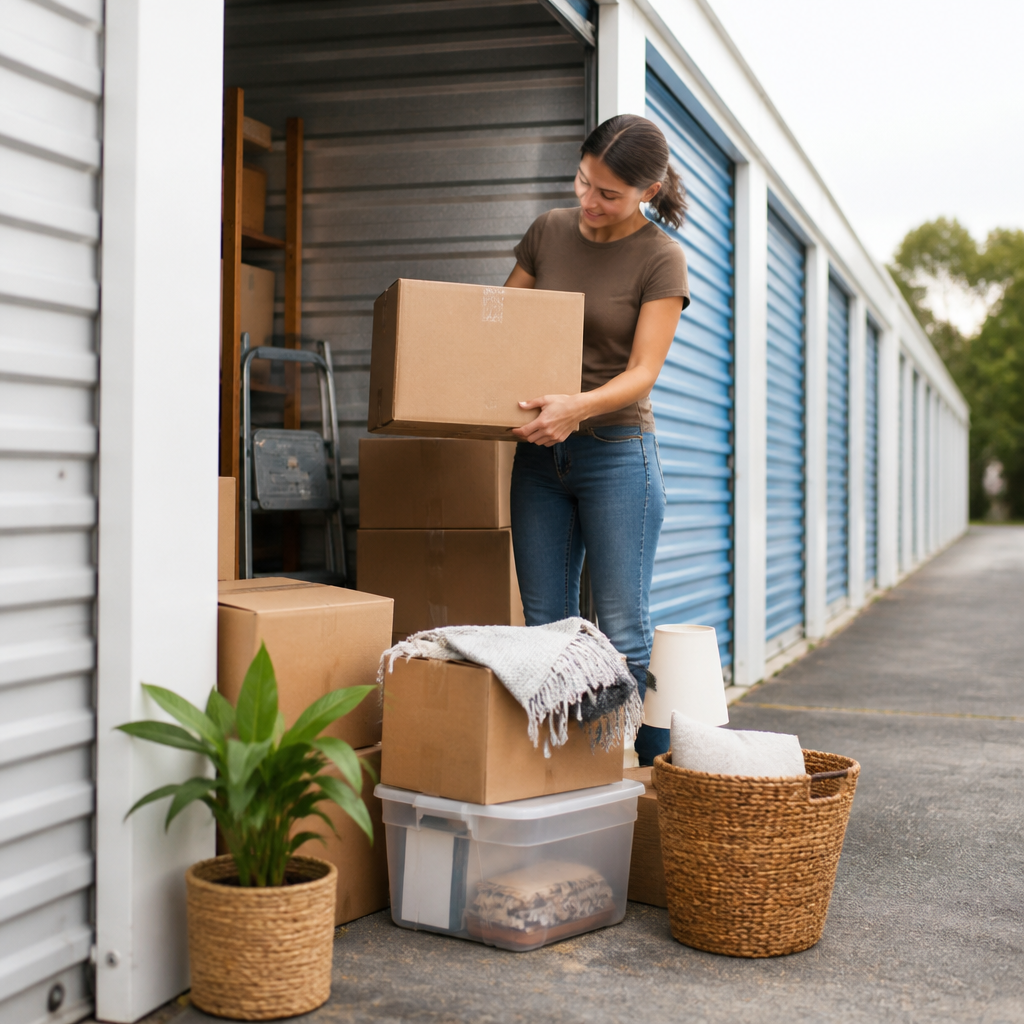
Are you feeling overwhelmed by clutter in your home or office? Affordable storage units can be a game changer for creating a more organized living space. Whether you need to store seasonal items, furniture during a move, or simply want to declutter, renting a storage unit can provide the extra space you need. In this guide, we will explore the benefits of storage units, the different types available, tips for finding the best deals, and much more to help you make an informed decision.
The Benefits of Storage Units
Storage units offer a variety of advantages that can enhance your living or working environment. Here are some key benefits:
- Extra Space: Storage units provide a secure location for items you don’t use regularly, freeing up valuable space in your home or office.
- Security: Most storage facilities offer robust security measures, including surveillance cameras, gated access, and individual unit locks, ensuring your belongings are safe.
- Flexibility: Renting a storage unit allows you to choose the size and duration of your rental, making it easy to adjust based on your needs.
- Accessibility: Many storage facilities provide 24/7 access, allowing you to retrieve your items whenever necessary.
- Climate Control: Some units offer climate control to protect sensitive items like electronics, documents, or artwork from extreme temperatures and humidity.
Types of Storage Units
When considering a storage unit, it’s important to understand the various types available:
- Standard Units: These are the most common type and come in various sizes, suitable for general storage needs.
- Climate-Controlled Units: Ideal for sensitive items, these units maintain a consistent temperature and humidity level.
- Drive-Up Units: These units allow you to drive directly up to the door, making loading and unloading easier.
- Container Storage: Portable storage containers can be delivered to your location, allowing you to pack at your convenience.
- Specialty Units: Some facilities offer specialized units for items like wine, vehicles, or artwork.
How to Find the Best Deals on Storage Units
Finding an affordable storage unit requires some research and savvy shopping. Here are steps to help you secure the best deal:
- Research Local Facilities: Start by searching for storage facilities in your area. Websites like SpareFoot or Storage.com can help you compare options.
- Check for Promotions: Many storage companies offer discounts for the first month, long-term rentals, or referral bonuses. Look for these deals to save money.
- Visit in Person: If possible, visit the facilities to assess cleanliness, security, and customer service. This can also give you leverage when negotiating rates.
- Ask About Insurance: Check if the facility offers insurance for your belongings. If not, consider getting coverage through your homeowner’s or renter’s insurance.
- Read Reviews: Look for customer reviews online to gauge the reputation of the facility and ensure you’re making a wise choice.
Factors to Consider When Choosing a Storage Unit
Choosing the right storage unit involves considering several factors:
- Location: Select a facility that is convenient for you. Proximity can save time and transportation costs.
- Size: Estimate how much space you need. It’s better to choose a slightly larger unit than to cram items into a too-small space.
- Access Hours: Consider your schedule. Some facilities offer 24/7 access, while others have limited hours.
- Security Features: Look for facilities with good security measures, such as gated access, surveillance cameras, and on-site staff.
- Cost: Compare prices and be aware of any additional fees, such as administration or insurance costs.
Common Mistakes to Avoid
When renting a storage unit, avoid these common pitfalls:
- Not Reading the Contract: Always read the rental agreement carefully to understand the terms, including fees and cancellation policies.
- Overpacking the Unit: Avoid cramming too many items into your unit, which can lead to damage or difficulty accessing your belongings.
- Ignoring Insurance: Don’t skip insurance coverage; it’s essential to protect your items from potential loss or damage.
- Choosing the Wrong Size: Take time to measure your items and choose a unit that fits your needs without wasting space.
- Failing to Label Boxes: Label your boxes clearly to make it easier to find items later.
Practical Steps for Renting a Storage Unit
Before you commit to a storage unit, it’s essential to take a systematic approach to ensure that you are making the best choice for your needs. Here’s a step-by-step guide:
- Assess Your Storage Needs: Determine what items you need to store and how much space they will require. Consider creating an inventory list to help you visualize your storage needs.
- Set a Budget: Decide how much you are willing to spend on storage. Remember to factor in potential additional costs such as insurance, locks, and administrative fees.
- Research Facilities: Use online resources to compare local storage facilities. Pay attention to their offerings, prices, and customer reviews.
- Visit Facilities: Schedule visits to your top choices. This allows you to assess the cleanliness, security, and overall condition of the units.
- Ask Questions: Don’t hesitate to ask facility managers about their security measures, access hours, and any promotions they may have.
- Read the Fine Print: Carefully review the rental agreement, paying close attention to terms regarding payment, access, and cancellation policies.
- Prepare Your Items: Clean and pack your items securely. Use sturdy boxes and packing materials to prevent damage.
- Move In: Once you’ve signed the contract, move your items into the unit, ensuring they are organized for easy access.
Comparison Criteria for Storage Units
When evaluating different storage facilities, consider the following criteria to help you make an informed decision:
| Criteria | Importance | Notes |
|---|---|---|
| Location | High | Proximity to your home or office can save time and transportation costs. |
| Size Options | High | Ensure the facility offers a variety of sizes to meet your specific needs. |
| Access Hours | Medium | Consider your schedule and whether you need 24/7 access. |
| Security Features | High | Look for gated access, surveillance cameras, and on-site management. |
| Climate Control | Medium | Necessary for sensitive items; check if this is available. |
| Price | High | Compare prices, but also consider the value of services offered. |
| Customer Service | Medium | Read reviews to gauge the quality of customer support. |
Limitations of Storage Units
While storage units can be incredibly beneficial, they do come with certain limitations that you should be aware of:
- Cost Over Time: Monthly rental fees can add up, especially if you need the unit for an extended period.
- Access Restrictions: Some facilities have limited access hours, which may not align with your schedule.
- Potential for Damage: Improper packing or environmental factors in non-climate-controlled units can lead to damage over time.
- Security Risks: While most facilities have security measures, there is always a risk of theft or vandalism.
- Limited Space: Depending on the size of the unit, you may find yourself needing additional space if your storage needs grow.
Warning Signs to Look Out For
When selecting a storage facility, be vigilant for these warning signs that may indicate potential issues:
- Poor Maintenance: If the facility appears dirty or poorly maintained, it may not be a safe place for your belongings.
- Unclear Pricing: If the pricing structure is not transparent or if you feel pressured to sign a contract quickly, proceed with caution.
- Lack of Security Features: If there are no visible security measures in place, reconsider your choice.
- Negative Reviews: Consistently poor reviews regarding customer service or security should raise red flags.
Checklist for Renting a Storage Unit
Use this checklist to ensure you cover all bases before renting a storage unit:
- Assess your storage needs and create an inventory list.
- Set a budget that includes all potential costs.
- Research and compare local facilities.
- Visit facilities to inspect them in person.
- Ask about promotions and discounts.
- Review the rental agreement thoroughly.
- Prepare your items for storage, ensuring they are clean and packed securely.
- Label all boxes for easy identification.
Questions to Ask Before Renting
Before signing a lease for a storage unit, consider asking the following questions to ensure you are making the right decision:
- What security measures are in place to protect my belongings?
- Are there any hidden fees or additional costs I should be aware of?
- What is the policy for accessing my unit after hours?
- Can I upgrade or downgrade my unit size if my needs change?
- What happens if I miss a payment? Are there late fees?
Understanding Storage Unit Costs
When considering a storage unit, understanding the costs involved is crucial. Here are some factors that can influence the overall price:
- Location: Storage units in urban areas tend to be more expensive than those in rural locations due to higher demand.
- Unit Size: Larger units naturally cost more. It’s essential to choose a size that meets your needs without overpaying for unused space.
- Climate Control: Units with climate control features typically come at a premium, but they can protect your belongings from extreme temperatures.
- Access Type: Drive-up units may be more expensive than standard units due to the convenience they offer.
- Insurance: Some facilities require insurance, which can add to your monthly costs. Evaluate whether your homeowner’s or renter’s insurance covers items in storage.
Practical Tips for Packing Your Storage Unit
Efficient packing can save you space and make it easier to access your items later. Here are some practical tips:
- Use Uniform Boxes: Stacking boxes of the same size can maximize vertical space and make it easier to organize.
- Disassemble Furniture: Take apart larger items like beds and tables to save space and prevent damage.
- Store Strategically: Place frequently used items near the front for easy access, and stack heavier boxes at the bottom.
- Climate Considerations: If using a non-climate-controlled unit, avoid storing items that can be damaged by temperature fluctuations, such as electronics and wooden furniture.
- Protect Fragile Items: Wrap fragile items in bubble wrap or blankets and clearly label these boxes to avoid mishandling.
Evaluating Security Features
Security is a top concern when renting a storage unit. Here are some key features to look for:
- Video Surveillance: Facilities with 24/7 video monitoring provide an added layer of security.
- Gated Access: Ensure the facility has controlled access points that require a code or key for entry.
- On-Site Staff: Facilities with staff present during business hours can help deter theft and provide assistance.
- Individual Unit Alarms: Some facilities offer alarms for individual units, adding an extra layer of protection for your belongings.
Understanding Rental Agreements
Before signing a rental agreement, it’s vital to understand the terms. Here are key elements to review:
- Payment Terms: Clarify when payments are due and what forms of payment are accepted.
- Late Fees: Understand the penalties for late payments and how they are applied.
- Cancellation Policy: Review the terms for terminating your rental agreement, including notice periods and potential fees.
- Access Rights: Confirm the hours you can access your unit and any restrictions that may apply.
Checklist for Moving Items into Storage
To ensure a smooth transition when moving items into your storage unit, follow this checklist:
- Confirm your rental agreement and payment details.
- Gather packing supplies, including boxes, tape, and markers.
- Label all boxes clearly with contents and destination in the unit.
- Prepare a moving plan, including transportation and timing.
- Inspect the unit before moving in to ensure it meets your expectations.
Long-Term vs. Short-Term Storage Needs
Consider your storage needs carefully. Here are some questions to help you decide:
- How long do you anticipate needing the unit? Short-term needs may allow for more flexibility, while long-term storage may require a more stable rental agreement.
- What items are you storing? Seasonal items may only need temporary storage, while valuable items might require long-term protection.
- Are you likely to need access to your items frequently? If so, a facility with 24/7 access may be more suitable.
Potential Hidden Costs of Storage Units
Be aware of potential hidden costs that can arise when renting a storage unit:
- Administrative Fees: Some facilities charge a one-time administrative fee upon signing the lease.
- Insurance Costs: If the facility requires insurance, this can add to your monthly expenses.
- Lock Fees: Some facilities may require you to purchase a specific type of lock for your unit.
- Late Payment Fees: Understand the penalties for late payments, as they can accumulate quickly.
Cost Factors to Consider When Renting a Storage Unit
When budgeting for a storage unit, it’s essential to consider various cost factors that can influence your overall expenses. Here are some key elements to keep in mind:
- Monthly Rental Fee: This is the primary cost associated with renting a storage unit. Prices can vary widely based on size, location, and amenities.
- Administrative Fees: Many facilities charge an initial setup fee or administrative fee when you sign the rental agreement. Make sure to ask about this upfront.
- Insurance Costs: Some storage facilities require you to purchase insurance for your belongings. Check if your homeowner’s or renter’s insurance covers items in storage, as this could save you money.
- Deposit: Some facilities may require a refundable deposit, which is typically returned when you vacate the unit in good condition.
- Late Fees: Understand the penalties for late payments, as these can add up quickly if you miss a payment deadline.
Practical Steps for Packing and Organizing Your Storage Unit
Proper packing and organization can significantly enhance your storage experience. Here are some practical steps to ensure your items are stored efficiently:
- Gather Packing Supplies: Collect boxes, packing tape, bubble wrap, and markers. Using uniform-sized boxes can help with stacking and organization.
- Label Everything: Clearly label each box with its contents and the room it belongs to. This will make it easier to locate items later.
- Use Pallets or Shelving: If possible, elevate boxes off the ground using pallets or shelving units. This helps prevent moisture damage and makes it easier to access items.
- Fill Empty Spaces: Use smaller items to fill gaps in boxes or between larger items. This maximizes space and prevents shifting during transport.
- Protect Your Belongings: Wrap fragile items in bubble wrap or blankets, and place them in sturdy boxes. For larger items, consider using moving blankets to prevent scratches.
Checklist for Evaluating Storage Facilities
Before committing to a storage facility, use this checklist to evaluate your options:
- Cleanliness: Is the facility clean and well-maintained? A tidy environment often reflects good management.
- Security Features: Are there adequate security measures in place, such as surveillance cameras, gated access, and on-site staff?
- Accessibility: Are the access hours convenient for your schedule? Can you access your unit after hours if necessary?
- Customer Service: How responsive and helpful is the staff? Good customer service can make a significant difference in your experience.
- Reviews: What do other customers say about their experiences with the facility? Check online reviews for insights into reliability and service quality.
Limitations and Risks of Using Storage Units
While storage units can be beneficial, it’s important to be aware of their limitations and potential risks:
- Long-Term Costs: If you plan to rent a unit for an extended period, the cumulative costs can become significant.
- Access Limitations: Some facilities may have restricted access hours, which can be inconvenient if you need to retrieve items outside of those times.
- Environmental Risks: Non-climate-controlled units can expose your belongings to temperature fluctuations and humidity, potentially causing damage.
- Theft or Vandalism: Despite security measures, there is always a risk of theft or vandalism. Ensure you have adequate insurance coverage.
- Space Constraints: If your storage needs grow, you may find yourself needing additional space, leading to increased costs.
Questions to Ask Before Signing a Lease
Before finalizing your rental agreement, consider asking these important questions to clarify any uncertainties:
- What are the payment options? Are there flexible payment plans available?
- What is the policy for accessing my unit? Are there restrictions on access hours?
- Are there any discounts for long-term rentals? Can I negotiate the price if I commit to a longer lease?
- What happens if I need to move out early? Is there a cancellation fee?
- Can I upgrade or downgrade my unit size if my needs change? What is the process for doing so?
Understanding the Importance of Insurance
Insurance is a critical aspect of renting a storage unit. Here’s what you need to know:
- Types of Coverage: Understand the different types of insurance available, including facility-provided insurance and third-party options.
- Value of Your Items: Assess the value of the items you plan to store to determine the appropriate level of coverage.
- Claim Process: Familiarize yourself with the claims process in case of loss or damage. Knowing how to file a claim can save you time and stress later.
- Exclusions: Be aware of any exclusions in the policy, such as certain types of items that may not be covered.
Conclusion
By understanding the various aspects of renting a storage unit, from costs and packing strategies to security features and rental agreements, you can make an informed decision that suits your needs. Always conduct thorough research, ask the right questions, and prepare your items properly to ensure a successful storage experience.
Frequently Asked Questions
What is the average cost of a storage unit?
The cost of a storage unit varies widely based on location, size, and amenities. On average, you can expect to pay between $50 to $300 per month.
How do I prepare my items for storage?
Clean and dry your items before storing them. Use sturdy boxes, and consider wrapping fragile items in bubble wrap. Label everything for easy identification.
Can I access my storage unit anytime?
Access hours depend on the facility. Some offer 24/7 access, while others have specific hours. Check with the facility for their access policies.
Are there any items I cannot store in a storage unit?
Most facilities prohibit hazardous materials, perishable goods, and illegal items. Always check the facility’s rules before storing your belongings.
How long can I rent a storage unit?
You can rent a storage unit for as long as you need, from a month to several years. Many facilities offer flexible rental agreements.
What should I do if I forget my access code?
If you forget your access code, contact the facility’s management for assistance. They can help you regain access to your unit.
Conclusion
Affordable storage units can significantly enhance your living space by providing the extra room needed to declutter and organize. By understanding the types of units available, knowing how to find the best deals, and avoiding common mistakes, you can make an informed choice that meets your storage needs. Take the time to research and choose wisely, and you’ll find that a storage unit can be a valuable asset in maintaining an organized and stress-free environment.












Leave a Reply