
Key Takeaways
- Samsung’s semiconductor division is experiencing a talent drain as employees transition to SK Hynix.
- AI hype is deflating, leading to a re-evaluation of the industry’s long-term potential.
- The semiconductor industry is at a critical juncture, influencing both technological advancements and labor dynamics.
The Core News Story
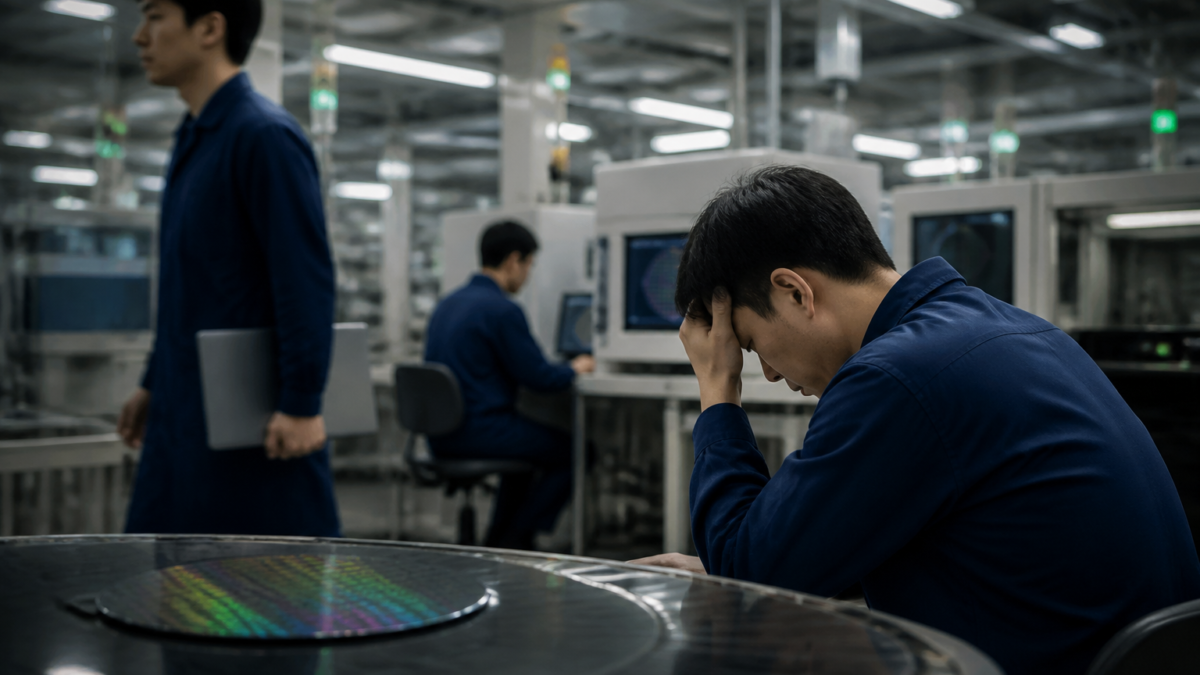
In the fast-paced world of technology, the semiconductor industry is witnessing a significant shift as Samsung’s chip workers are leaving for rival company SK Hynix. This exodus poses a threat to Samsung’s dominance in the chip market, particularly as the demand for semiconductors remains robust. Engineers like Lee, who previously committed long hours to their work at Samsung, are now clocking out on time and heading to SK Hynix, drawn by the promise of better work-life balance and competitive compensation packages.
This trend has raised concerns within Samsung, which has long been regarded as a leader in semiconductor manufacturing. The company is known for its rigorous work culture, often demanding extensive overtime from its engineers. In contrast, SK Hynix has been making strides to create a more appealing work environment, which has resonated with current Samsung employees seeking a change.
Expert Analysis & Impact
Experts in the semiconductor field are weighing in on the implications of this talent migration. The departure of skilled engineers not only affects Samsung’s production capacity but also signals a potential shift in the chip manufacturing landscape. With SK Hynix capitalizing on this talent pool, they are likely to enhance their competitive edge, challenging Samsung’s longstanding market position.
Moreover, the broader implications of this trend extend into the realm of artificial intelligence (AI). As the hype surrounding AI technologies begins to deflate, many companies are reassessing their workforce needs. The once-booming sector now faces the reality of overhyped expectations, leading to a cooling of investments in certain areas of AI development. This situation creates a paradox where, despite the increasing demand for semiconductors to power AI systems, talent scarcity may hinder innovation.
The semiconductor industry is not just about technology; it is also deeply intertwined with labor dynamics. As companies like Samsung and SK Hynix vie for top talent, they must also navigate the challenges posed by a fluctuating market and evolving technological demands. The competition for skilled engineers is likely to intensify in the coming months, shaping the future of chip manufacturing.
Future Outlook
Looking ahead, the semiconductor industry faces several critical challenges and opportunities. The ongoing battle for talent will likely escalate, prompting companies to enhance their employee offerings, such as flexible working arrangements and improved benefits. Samsung may need to reassess its corporate culture and recruitment strategies to retain its top talent and mitigate further losses to SK Hynix and other competitors.
In addition, as the AI hype continues to stabilize, the focus may shift toward sustainable growth and realistic expectations. This shift could lead to a more measured approach to technology investments, ultimately benefiting sectors that prioritize long-term viability over short-term gains. The semiconductor industry, as a cornerstone of technological advancement, must adapt to these changes to remain at the forefront of innovation.
Conclusion
The recent trend of Samsung’s chip engineers migrating to SK Hynix underscores the dynamic nature of the semiconductor industry amidst a backdrop of deflating AI hype. As companies navigate these waters, the emphasis on talent acquisition and retention will be paramount. The future of semiconductor manufacturing not only rests on technological advancements but also on the companies’ ability to foster a supportive work environment that attracts and retains skilled professionals. The coming months will be critical in determining how these factors will shape the industry and its competitive landscape.
“`
Context Reference: Original Publisher












Leave a Reply