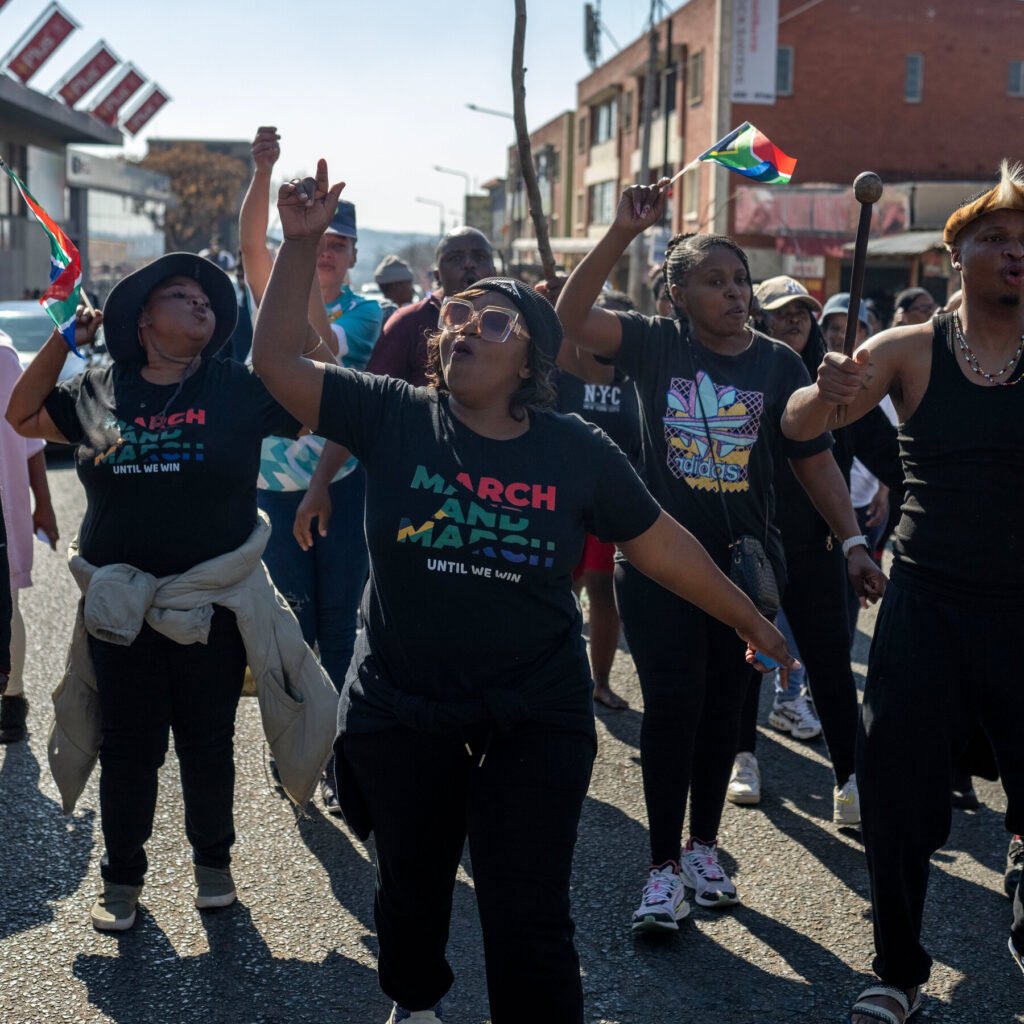
South Africa’s Identity Crisis: The Clash of Immigrant Rights and Nationalism
South Africa has long worn the mantle of a beacon of hope and a bastion of human rights in a continent often marred by conflict and xenophobia. Yet, recent waves of anti-immigrant activism have thrown this image into turmoil, illuminating the stark contradictions underlying its national narrative. With escalating tensions between South Africans and immigrant communities, the nation grapples with an identity crisis that challenges its foundational ideals of tolerance and inclusivity.
The Rise of Xenophobia in South Africa
In recent years, South Africa has witnessed a troubling rise in anti-immigrant sentiment. Sparked by economic frustrations and social tensions, protests and violent incidents against foreign nationals have surged, leaving many to question the very fabric of the country’s democracy. Reports indicate that blame for high unemployment rates and limited resources is frequently unjustly placed on immigrants, leading to hostile environments marked by violence and civil unrest.
Historical Context
To understand the current landscape, one must appreciate South Africa’s complex history. Emerging from decades of apartheid, the nation positioned itself globally as a champion of human rights, equality, and unity. However, the societal wounds inflicted by decades of systemic oppression remain. As the post-apartheid dream of equality struggles to manifest, many South Africans feel disillusioned, vulnerable, and increasingly nationalistic.
Contradictory Narratives: Rights vs. Nationalism
The ideological contradiction in South Africa’s national identity presents a nuanced challenge. On one hand, the African Charter on Human Rights, adopted shortly after the end of apartheid, asserts the rights of all individuals, including migrants and refugees. On the other hand, a rising tide of nationalism and anti-foreign sentiment threatens to erode these hard-won gains.
The Role of Political Rhetoric
In the political arena, rhetoric plays a pivotal role in shaping perceptions. Politicians, looking to bolster their popularity, have often resorted to scapegoating immigrants for societal woes. This dangerous narrative not only deepens divisions but also galvanizes anti-immigrant activism that occasionally erupts into violence. Such political maneuvering raises critical questions about accountability and responsibility in governance.
The Economic Factors Behind Anti-Immigrant Sentiment
South Africa’s economic struggles, exacerbated by the COVID-19 pandemic, have illuminated the tensions between locals and immigrants. High unemployment rates, especially among the youth, have led to fierce competition for jobs, housing, and essential services. Immigrants are often perceived as competitors, further straining an already delicate social balance. This perception is fueled by a lack of understanding of the contributions various immigrant groups make to the local economy, from entrepreneurship to job creation.
Socioeconomic Impact
- Job Creation: Many immigrants establish businesses that employ local citizens.
- Cultural Exchange: Diverse cultures contribute to a rich social tapestry, promoting tourism and local spending.
- Skills Diversification: Immigrants often bring vital skills that fill critical gaps in the labor market.
Resistance Movements and Calls for Inclusivity
Despite the rising tide of xenophobia, grassroots organizations and activists continue to advocate for inclusivity and understanding. Efforts to combat anti-immigrant sentiment have sparked dialogues aimed at addressing misinformation and fostering solidarity. Through community outreach, educational campaigns, and inter-community celebrations, these movements seek to mend divides and reshape narratives around immigration and national identity.
Building a Unified Future
As South Africa stands at a crossroads, the way forward hinges on confronting these identity crises head-on. Emphasizing empathy, understanding, and collaboration will be key to healing societal wounds and reinforcing the commitment to human rights for all. Immigrants serve as an integral part of the historical fabric of South Africa, and embracing their contributions could illuminate a path toward a more harmonious future.
Conclusion: A Nation in Transformation
The anti-immigrant activism currently sweeping South Africa encapsulates a broader crisis of identity within the nation. As the country wrestles with its post-apartheid legacy, the quest for unity amid diversity becomes increasingly critical. Embracing shared humanity, promoting equitable opportunities, and rejecting divisive narratives will not only define South Africa’s future but could also reinstate its global standing as a true champion of human rights.
Source & Original Coverage: Original Publisher