
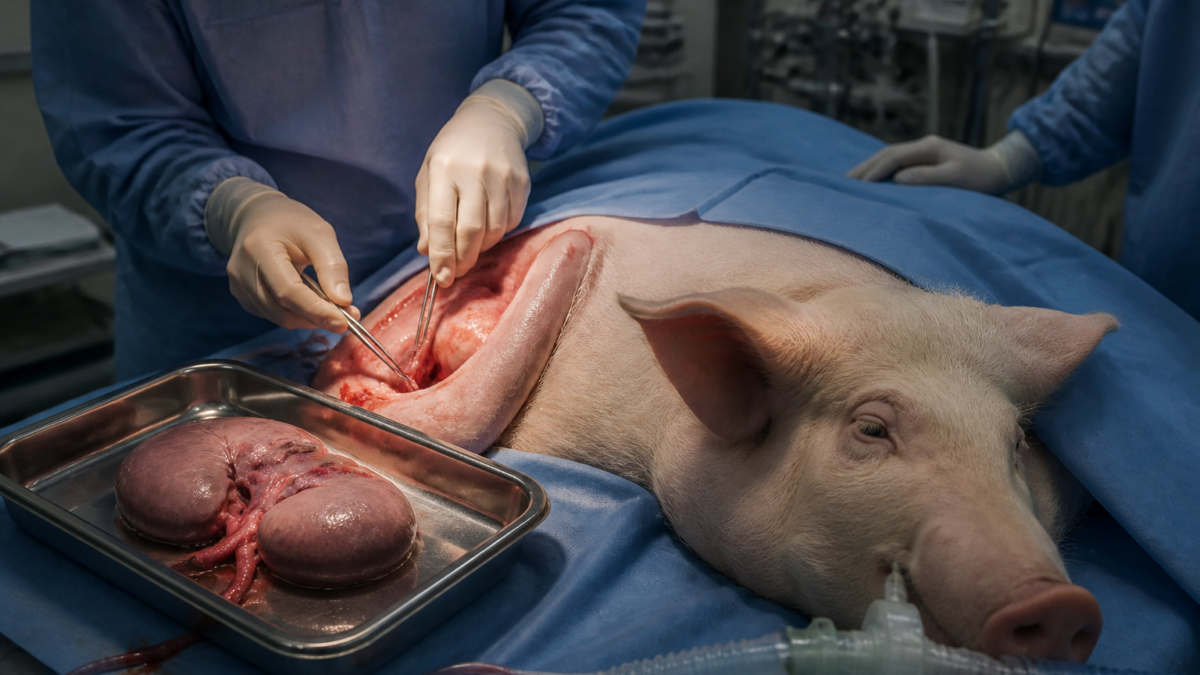
Landmark Breakthrough: Supercooled Kidneys Successfully Transplanted into Pigs
The field of organ transplantation has witnessed a groundbreaking milestone with the successful transplantation of supercooled kidneys into pigs—a landmark achievement that could revolutionize organ donation and preservation methods. As an enduring challenge in transplantation, the clock begins to tick the moment an organ is removed from a donor’s body; time is often the enemy of successful organ transplants. This innovative research is paving the way toward extending the viability of organs and reducing the urgency associated with transplants.
Understanding the Importance of Organ Preservation
When it comes to organ donation, seconds can make the difference between a life saved and lost. Once an organ is extracted from a donor, cellular degradation begins, and preservation techniques become paramount. Traditional methods, such as storing organs in cold storage solutions, have their limitations, typically offering just a few hours of usable time before significant damage occurs.
Supercooling, however, is a technique that could dramatically extend the viable time frame for transplant organs. By reducing the temperature of kidneys to just above freezing, researchers have found they can slow down metabolic processes and cellular decay, thus preserving the organs for longer periods. This advance addresses critical shortages in organ availability and may eventually enable a more extensive database of donor organs, increasing the chances of finding a suitable match for recipients.
The Technical Brilliance of Supercooled Kidneys
This pioneering research was conducted by a team of scientists who harnessed advanced cooling technologies to suspended animation levels—effectively keeping the kidneys in a state where they could potentially remain functional for extended periods.
How the Process Works
- Supercooling Technique: Researchers utilized cryoprotectants to mitigate ice formation in the kidneys, preventing damage to cells during the cooling process.
- Temperature Control: By precisely controlling the temperature and the rate of cooling, the team successfully maintained the organs’ structural integrity.
- Successful Transplantation: Following the supercooling process, the kidneys were transplanted into pigs, a model widely used in organ transplantation research due to their anatomical similarities to humans.
Implications for Human Organ Transplants
The successful transplantation into pigs marks a significant step towards potential human applications. Experts believe that if this technique can be perfected for pork models, the path is clear for human trials. Here are some implications of this breakthrough for the medical and transplantation community:
- Extended Preservation Times: This method could allow organs to be stored for extended periods, mitigating the urgency of finding immediate transplant matches.
- Increase in Donor Availability: With longer preservation times, it may be feasible to transport organs over greater distances, connecting more donors to recipients.
- Enhanced Viability: The kidneys transplanted into pigs were shown to maintain functionality, suggesting that supercooled organs can be effectively used in clinical settings.
- Reduced Organ Wastage: This innovation could significantly decrease the number of usable organs that are discarded each year due to time constraints or logistical challenges.
Expert Perspectives and Future Directions
As the medical community digs deeper into the implications of this groundbreaking achievement, expert opinions are varied yet optimistic. Dr. Anya Smith, a leading researcher in organ preservation technologies, states, “This pioneering work opens new avenues for understanding how to extend organ viability, which is critical for addressing the global organ shortage crisis.”
Future research endeavors will focus on refining this technique for human kidneys and exploring similar supercooling strategies for other organs, including hearts and livers. The goal: to turn organ donation from a race against time into a more manageable process—all while maintaining the highest standards of safety and efficacy for patients.
Conclusion: A New Era in Organ Transplantation
The transplantation of supercooled kidneys into pigs marks not just a scientific achievement but a beacon of hope for patients requiring life-saving organ transplants. As the feasibility of supercooling strategies continues to evolve, the prospect of advancing organ preservation techniques gains momentum. This landmark achievement serves as a reminder of the potential marriage of technology and medicine that can ultimately improve and even save countless lives. The implications for the future of organ donation, coupled with ongoing research and development, may well signify the dawn of a new era in transplantation.
As we look ahead, continued support for such innovations is paramount. The medical world is on the cusp of a transformation that could redefine the parameters of what is possible in the realm of organ transplantation, possibly ushering in solutions to an age-old dilemma that affects millions around the globe.
Source & Original Coverage: Original Publisher











Leave a Reply