Exploring the Allure of Abandoned Spaces
In the picturesque countryside of Japan, where rolling hills meet serene landscapes, lies a growing trend that captures the imagination of adventurers and dreamers alike: the revival of abandoned homes, better known as ‘ghost houses.’ One particularly inspiring story is that of Daisuke Kajiyama, a seasoned traveler who has turned his dreams into reality by transforming a dilapidated property into a beautiful guesthouse. This article delves into his journey, the social implications, and the allure of rejuvenating these forgotten spaces.
A Global Wanderer Returns Home
After years of backpacking across the globe, immersing himself in diverse cultures, and collecting stories from every corner of the planet, Kajiyama returned to his homeland with a newfound perspective. His travels had inspired him to connect with his roots and pursue a long-held dream: opening a guesthouse that would welcome travelers from around the world. However, reality dictated that he needed a unique setting that embodied the charm of rural Japan while providing an experience unlike any other.
The Discovery of the ‘Ghost House’
During his exploration of the Japanese countryside, Kajiyama stumbled upon an abandoned house that had been left to decay. Surrounded by lush greenery and scenic beauty, the property spoke to him. It was an old wooden home, bearing the scars of neglect yet whispering stories of its vibrant past. Despite its ghostly appearance, Kajiyama recognized its potential to become a warm, inviting guesthouse that could help revive the community.
Why Choose an Abandoned Property?
Kajiyama’s choice to invest in a ‘ghost house’ speaks volumes about sustainable tourism and cultural preservation. Here are some key reasons behind his decision:
- Environmental Sustainability: By utilizing an already existing structure, Kajiyama minimizes the environmental impact associated with new constructions.
- Cultural Preservation: Reviving an abandoned home allows for the conservation of local architecture and history.
- Community Revitalization: His endeavor aims to revive the local economy by attracting tourists to an area that may have seen better days.
The Transformation Journey
Undeterred by the immense challenge ahead, Kajiyama embarked on a journey of renovation that would last for several months. The process was not merely about fixing walls and roofs; it involved rekindling the essence of a once-thriving home. Here’s how he tackled the transformation:
Restoration vs. Renovation
Kajiyama approached the project with utmost respect for the original structure. He sought to restore rather than completely renovate:
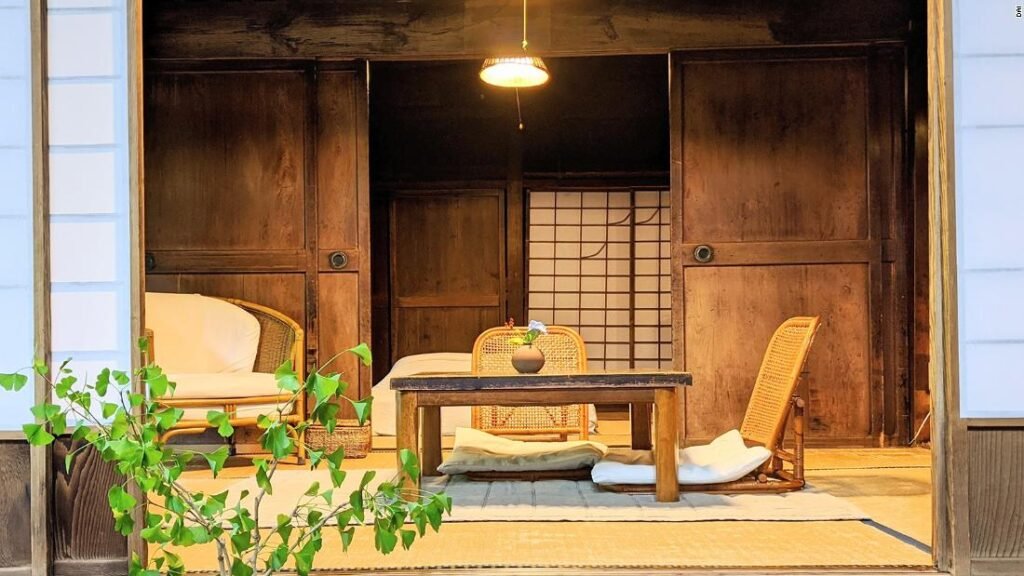
- Original Features: He preserved traditional Japanese elements such as tatami flooring and shoji screens, allowing guests to experience the authentic architecture.
- Eco-Friendly Materials: Wherever possible, Kajiyama sourced sustainable materials, emphasizing eco-friendliness in his renovation.
- Local Artisans: Hiring local craftsmen not only supported the community but ensured that the work maintained its cultural integrity.
Cultivating Community Connections
Kajiyama’s endeavor extended beyond mere renovations; it also aimed to cultivate community ties. He organized clean-up drives and workshops, involving local residents in the restoration process. This not only fostered relationships but also instilled a sense of pride in the community.
Launching the Guesthouse
With the renovations complete, the guesthouse was finally ready to welcome the first guests. Kajiyama named it “Kaze no Ie,” meaning “House of Wind,” embodying the spirit of welcomed travelers from every direction. The official launch was accompanied by a vibrant ceremony that celebrated the blend of tradition and modernity, echoing Kajiyama’s journey of self-discovery.
What to Expect at Kaze no Ie
Guests are in for an unforgettable experience in a setting that reflects both local culture and the tranquility of the countryside. The offerings include:
- Traditional Japanese Meals: Guests can indulge in home-cooked meals prepared with locally sourced ingredients, proving to be a highlight of their stay.
- Workshops: Opportunities to engage in local crafts and culture, such as pottery or tea ceremonies, invite guests to immerse themselves in Japanese traditions.
- Family-Friendly Atmosphere: The guesthouse aims to cater to all travelers, providing space for families and solo travelers alike.
Conclusion: A Beacon of Hope
Daisuke Kajiyama’s journey from a global backpacker to a local entrepreneur illustrates the charm of ‘ghost houses’ in Japan’s rural landscape. His story offers hope, not only to the community but also to future generations of travelers who seek to explore the world through authentic experiences. As the guesthouse welcomes visitors from far and wide, it stands as a testament to the revival of both forgotten spaces and the bonds of community spirit.
For those looking to explore the hidden gems of Japan, Kaze no Ie is a new, vibrant addition to the travel map, offering a blend of adventure, culture, and sustainable tourism. When life hands you a ‘ghost house,’ sometimes it’s your cue to bring it back to life.
Source & Original Coverage: Original Publisher