U.S. Lawmaker Dismisses Concerns Over Military Readiness Amid Iran Tensions
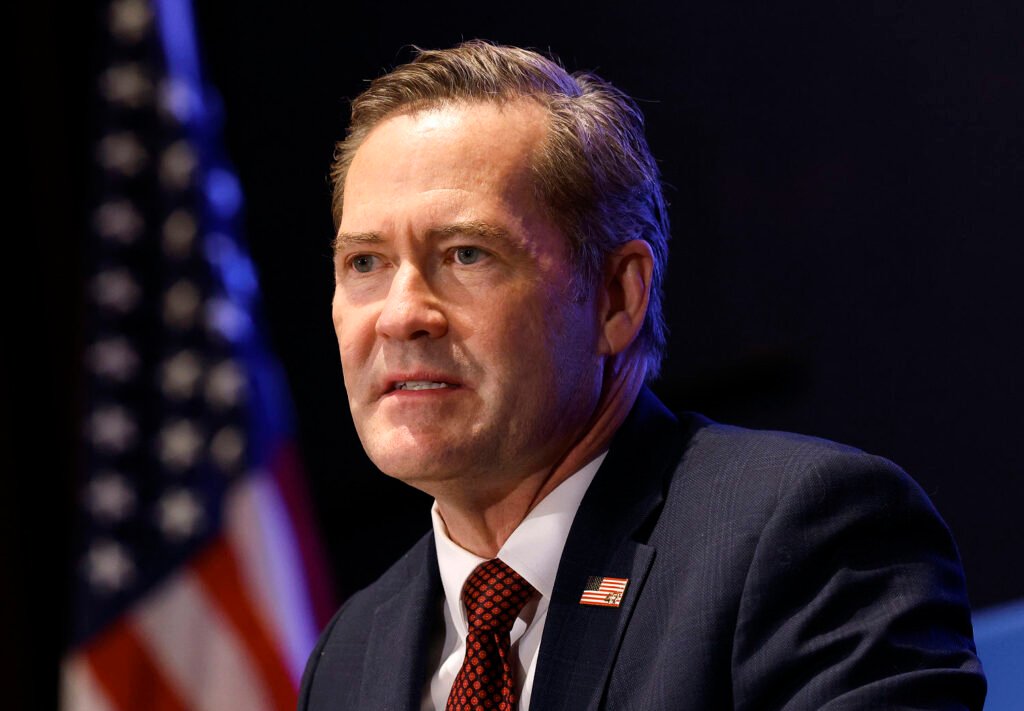
As tensions between the United States and Iran continue to simmer, Florida Congressman Mike Waltz has publicly refuted rising concerns regarding the depletion of America’s military weaponry stockpile. His remarks come in the context of the ongoing conflict, particularly following the escalation of hostilities in the region, which has prompted scrutiny of U.S. military capabilities.
The Framework of U.S.-Iran Relations
The backdrop of Congressman Waltz’s comments is a complicated history of U.S.-Iran relations marked by cycles of conflict and negotiation. Since the U.S. withdrawal from the Joint Comprehensive Plan of Action (JCPOA) in 2018, tensions have escalated dramatically. This has been compounded by Iran’s alleged support for proxy groups across the Middle East, which are seen as destabilizing forces in the region.
The emergence of the recent conflict has raised urgent questions about the United States’ readiness to respond effectively. With ongoing military operations necessitating an adequate supply of arms and military resources, concerns have arisen regarding the sustainability of the U.S. weapons stockpile.
Waltz’s Reassurances
In a robust defense of the U.S. military’s preparedness, Waltz stated unequivocally, “The United States has everything that it needs for current military operations in the region.” He emphasized that U.S. forces are well-equipped to handle any potential escalation in the conflict with Iran.
Waltz’s assertion aims to address not only critics within the political arena but also growing skepticism among military experts who have voiced concerns about the operational readiness of the armed forces. In recent months, heightened military engagements have prompted calls for transparency regarding the state of U.S. arsenals.
Addressing the Concerns
As the conflict unfolds, analysts and military experts have raised alarms regarding operational readiness and the potential for shortages due to increased demands on military stockpiles. Some of the key points of contention include:
- Increased Demand: The ongoing military campaigns increase the stress on available armaments, fueling concerns over long-term sustainability.
- Political Implications: Domestic political factions have leveraged these concerns to question the current administration’s defense policies and strategic priorities.
- Global Dynamics: The international community watches closely, particularly U.S. allies in the region who may feel uncertain about American military guarantees.
In response to these valid concerns, Waltz has argued that the military’s logistical and financial strategies are capable of addressing both current operational needs and future contingencies. He pointed to recent military appropriations and replenishment efforts as evidence of the U.S. commitment to maintaining a robust defense posture.
Strategic Military Investments
Recent congressional budgets have included significant federal investment in defense, particularly aimed at bolstering the U.S. military’s technological edge. This includes advancements in cybersecurity, drone warfare, and missile defense systems. By redirecting resources towards these innovative frameworks, officials hope to offset any perceived inadequacies stemming from equipment shortages.
“Our military is not just about numbers; it’s about capability,” Waltz emphasized, underscoring a strategic pivot towards modern warfare tactics in the face of threats from powers like Iran. The evolving nature of global threats necessitates an approach that blends traditional military might with cutting-edge technology.
The Broader Implications
While Waltz’s reassurances may quell some fears, the implications of U.S.-Iran relations extend far beyond military readiness. An unstable Iran affects not only regional security dynamics but also broader global oil markets, counterterrorism efforts, and diplomatic relations.
Experts warn that neglecting the diplomatic front could lead to a prolonged military engagement, further straining U.S. resources and affecting both domestic and international political landscapes. The potent combination of military and diplomatic strategies is crucial to avoid miscalculations that could lead to a broader conflict.
Looking Ahead
The coming weeks and months will be critical for the U.S. military and its interactions with both allies and adversaries. As the situation with Iran evolves, the clarity of operational readiness will also play a pivotal role in shaping public perception and political narratives. Waltz’s recent comments aim to bolster confidence in U.S. military capabilities; however, continuous evaluation of the stockpile and military expenditure will remain vital as tensions in the Middle East persist.
Ultimately, the administration’s ability to balance military preparedness with effective diplomatic engagement will dictate not only the future of U.S.-Iran relations but also the larger implications for global security dynamics. In these challenging times, the spotlight is firmly on the United States to navigate a complex web of military readiness, international diplomacy, and security cooperation.
Source: Original Source