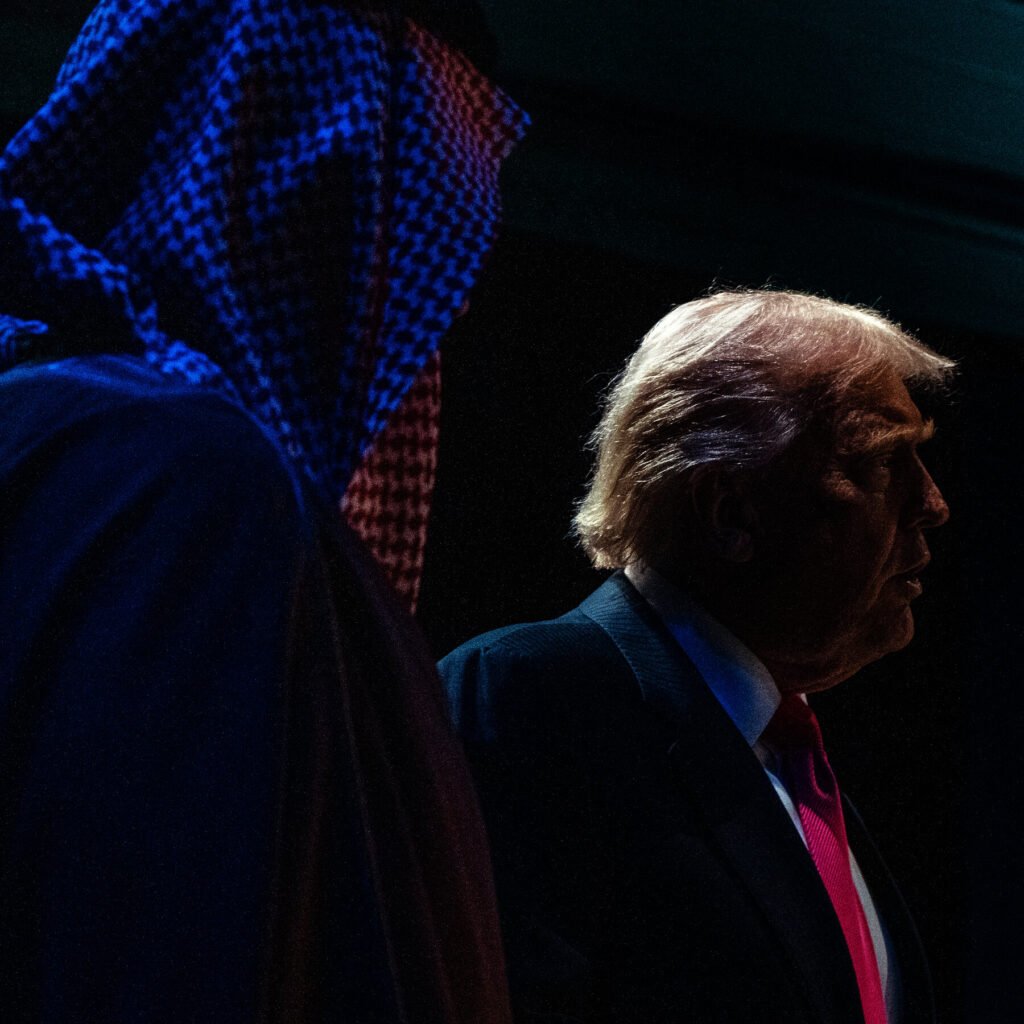
Trump Advances Nuclear Energy Agenda Amid Controversial Ties
In a bold push for nuclear energy development, former President Donald Trump is advocating for an increased U.S. role in the global nuclear market, notably eyeing a lucrative deal with Saudi Arabia. This initiative, however, has raised eyebrows due to potential connections between Trump’s family and allies and prospective financial gains arising from these developments.
Energy Policy Meets Geopolitics
As discussions escalate regarding the revitalization of the American nuclear sector, Trump has emerged as a prominent advocate, framing nuclear energy as a key component of the U.S. energy strategy. At a recent energy symposium, he stated, “Nuclear power is our future. We have untapped resources, and it’s time to secure our energy independence.” His comments suggest a dual focus: the promotion of nuclear energy as a clean energy source and the restoration of American leadership in an industry seen as instrumental for global energy security.
Particularly noteworthy is the potential partnership with Saudi Arabia, a nation striving to diversify its energy portfolio. Reports indicate that the Kingdom may be interested in investing in several nuclear projects with American companies, positioning itself as a player in the burgeoning nuclear market. This initiative ties into Trump’s broader vision of strengthening ties with Gulf states while advancing American business interests abroad.
Connections and Controversies
While Trump’s nuclear agenda appears to be largely centered on national and international energy policies, questions have emerged regarding the overlapping business interests that could benefit Trump’s inner circle. Several of Trump’s close associates and family members have established connections with major players in the nuclear sector. This presents a potential conflict of interest, raising concerns over whether Trump’s push for nuclear energy may serve personal financial interests of those in his orbit.
- The Trump Organization has previously navigated international business ventures, with varied success.
- Trump’s son-in-law, Jared Kushner, maintains ties with investment firms that have shown interest in energy projects, including those involving Saudi financing.
- Several key advisors have affiliations with companies poised to profit from advanced nuclear technology development.
Critics assert that such entanglements could undermine public trust in energy policy decisions. David Cohn, a former member of the Nuclear Regulatory Commission, emphasized, “While advocating for nuclear energy is a critical part of ensuring U.S. energy independence, any agenda that benefits specific individuals raises ethical concerns.” This sentiment echoes a broader concern regarding the potential blurring of the lines between policy advocacy and personal profit.
International Stakes
The implications of Trump’s nuclear energy initiative stretch beyond the U.S. domestic sphere. The push for nuclear collaborations with countries like Saudi Arabia is indicative of a shifting global energy landscape, where clean technology and energy security are becoming increasingly intertwined. Experts agree that American involvement in Saudi nuclear projects could either ensure robust regulatory practices or pose significant risks if not managed carefully.
Dmitry Orlov, an energy analyst at the International Atomic Energy Agency, remarked, “The U.S. can play a crucial role in shaping nuclear standards globally. However, any missteps with alliances based on business rather than safety and regulatory considerations could jeopardize not just energy independence but also global safety.”
Future of Nuclear Energy Under Scrutiny
As Trump continues to rally support for nuclear energy, key legislation and international agreements will remain pertinent to the advancement of these goals. Current debates in Congress about nuclear safety and funding for energy research will play a significant role. Lawmakers are keen on scrutinizing the regulatory frameworks that govern these partnerships, aiming to ensure that the U.S. retains its standards in safety while promoting private investment in the sector.
The challenges ahead are multifaceted. From ensuring environmental safety to navigating the complexities of international diplomacy, Trump’s nuclear energy agenda could well be one of his most ambitious undertakings since leaving office. The proposals he champions could reshape the energy sector dramatically, yet the underlying motives and potential conflicts of interest will likely be focal points of scrutiny in the months to come.
Conclusion
As the discussion of nuclear energy policy unfolds, the intersection of interest, ethics, and international diplomacy lends a complex layer to the narrative. Trump’s push for nuclear energy and foreign deals stands as a reminder of how intertwined energy policy is with personal and business ambitions. Only time will tell how this narrative develops and the impact it may have on global energy dynamics and ethical governance.
Source: Original Source