
Key Takeaways
- Popular AI-powered calorie-tracking apps may underestimate calorie counts and fat content by nearly one-third.
- High-fat ketogenic meals proved particularly difficult for these apps to assess accurately.
- Carbohydrate-based meals generally demonstrated more reliable calorie measurements.
The Core News Story
In an era where technology increasingly guides our health decisions, AI-powered calorie-tracking apps have become a staple for many individuals looking to maintain or lose weight. While these applications tout the convenience of calorie counting, recent findings suggest that they may not be as reliable as users expect. A comprehensive study has revealed that four of the most popular food-tracking apps significantly underestimated the calorie and fat content of meals by an alarming margin—an average of 345 calories.
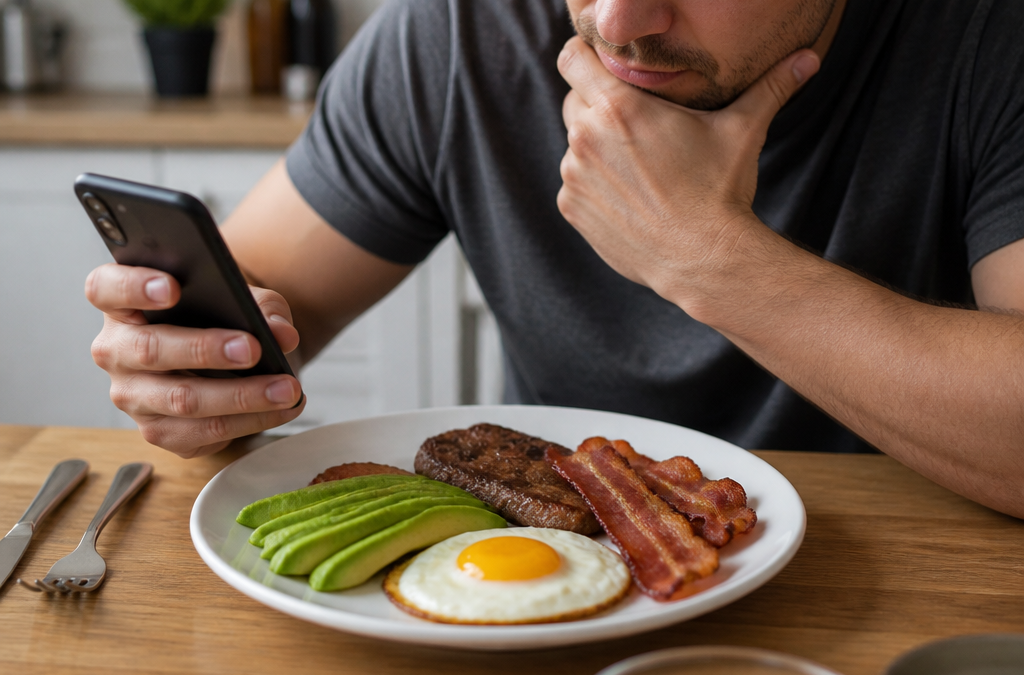
The study involved meticulously prepared meals tested against the calorie estimations provided by these apps. The results were eye-opening: on average, the apps miscalculated by nearly one-third, raising questions about their reliability and potential impact on users’ dietary choices. The discrepancies were particularly pronounced in high-fat ketogenic dishes, where the apps struggled most, while carbohydrate-based meals were measured with more accuracy.
Expert Analysis & Impact
Nutritionists and dietitians have expressed concern over the implications of these findings. The reliance on technology for dietary management can lead individuals to make misguided choices, particularly if they believe they are consuming fewer calories than they actually are. This miscalculation could hinder weight loss efforts, result in nutritional deficiencies, or even promote unhealthy eating patterns.
Dr. Emily Hartman, a registered dietitian, explains, “While these apps can provide a general sense of caloric intake, they should not replace professional dietary advice. Users must remain aware that these tools can be flawed and that relying solely on them may lead to unintended consequences.” Dr. Hartman suggests that individuals should consider using these apps as a supplementary tool rather than a definitive guide.
Furthermore, the study highlights a critical aspect of food measurement that many users overlook: the complexity of food composition. High-fat foods, particularly those prevalent in ketogenic diets, often contain ingredients that are not easily quantified by AI algorithms. This complexity can lead to significant underreporting of calorie and fat content, which can be particularly dangerous for those adhering strictly to a low-carb, high-fat regimen.
Future Outlook
The findings from this study prompt a reevaluation of how AI technology can be improved for better accuracy in nutritional tracking. Developers of these applications may need to invest in more sophisticated algorithms that take into account the variability of food types, preparation methods, and serving sizes. Enhanced machine learning models could potentially incorporate extensive food databases, along with user-generated feedback, to refine calorie estimations over time.
Moreover, as the demand for personalized nutrition continues to rise, integrating features that allow for user customization and manual input of food items could help mitigate inaccuracies. As technology evolves, future iterations of these apps will likely need to strike a balance between usability and accuracy to maintain their relevance in health and wellness.
Conclusion
In conclusion, while AI-powered calorie-tracking apps offer convenience and ease of use, users must approach them with caution. The potential for significant underestimation of calorie and fat content poses risks for individuals striving to meet their health goals. It is essential for users to remain educated about the limitations of these technologies and to consider them as one part of a broader nutritional strategy.
As technology continues to advance, the hope is that these applications will evolve to provide more accurate data, allowing users to make informed choices about their diets. Until then, a combination of technology, professional guidance, and personal awareness remains the best approach for those aiming to maintain a healthy lifestyle.
“`
Context Reference: Original Publisher










Leave a Reply