The Cockroach Protests: Unarmed Voices Calling for Educational Reforms in Delhi
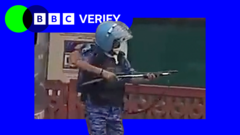
In a striking display of public dissent, thousands of demonstrators took to the streets of Delhi recently, igniting what has been dubbed the “Cockroach Protests.” These protests, centered around urgent calls for educational reform in India, have drawn widespread attention, particularly after videos surfaced showing law enforcement officers deploying pellet guns against unarmed protesters.
Understanding the Cockroach Protests
The term “Cockroach Protests” was coined by the protesters themselves, symbolizing their claim that the current educational system is riddled with faults and is failing students much like pests in a poorly maintained structure. Ironically, the imagery of a cockroach also evokes feelings of disdain while underscoring the urgency behind the demands for substantial reform.
Origins of the Protests
These protests arose in response to increasing discontent with the current educational laws and policies that have been perceived as inadequate for fostering academic growth and inclusivity. Proponents of the movement argue that:
- Educational institutions lack proper funding and resources.
- Curricula are outdated and do not meet the needs of a modern workforce.
- Access to quality education remains limited, especially for marginalized communities.
The Confrontation with Authorities
The protests escalated quickly as groups of demonstrators marched through the streets, chanting slogans and displaying banners. However, the atmosphere turned tense when protesters clashed with law enforcement officials. Videos circulating on social media depicted shocking scenes of officers firing pellet guns—a controversial crowd control measure—into the crowds, prompting outrage and further amplifying the protesters’ message.
Social Media’s Role
The viral spread of protest videos, showing the harsh actions of the police, has played a pivotal role in drawing global attention to the plight of the protesters. Hashtags related to the Cockroach Protests have trended on various platforms, with many users expressing solidarity and condemning the use of pellet guns, a weapon often criticized for its potential to cause serious injury.
Public Reactions and International Spotlight
As news of the protests spread, local communities and international observers began to voice their concerns. Public forums and discussions emerged; human rights organizations were quick to condemn the actions of the police and called for accountability. Activists are urging the government to:
- Engage in constructive dialogue with protesters.
- End the use of excessive force against unarmed civilians.
- Prioritize reforms that address the systemic issues within the education sector.
Civil Rights Groups Weigh In
Civil rights groups across India issued statements in support of the protesters, pointing out the growing trend of state violence against demonstrations advocating for social justice and equity. The international community, too, is closely monitoring the situation, with calls for the Indian government to adhere to principles of freedom of speech and peaceful assembly.
Next Steps for the Movement
The Cockroach Protests symbolize more than a simple call for educational reform; they mirror a larger, long-standing struggle against inequality and governmental inertia. As protesters regroup and plan future actions, the focus will likely shift towards strategies that can maintain momentum while ensuring that their voices are heard through nonviolent means.
Looking Ahead
The need for educational reforms is pressing, and the Cockroach Protests illustrate the frustration felt by many in India regarding the current trajectory of educational policy. Moving forward, it remains to be seen how the Indian government will respond to these escalating protests and whether tangible reforms will materialize as a result.
Source & Original Coverage: Original Publisher