
Key Takeaways
- The Backrooms originated from an unsettling image, evolving into a complex fictional universe.
- Engagement through games, videos, and social media has turned The Backrooms into a form of digital tourism.
- This phenomenon highlights a growing trend where people seek emotional experiences in imaginary, yet eerily familiar, settings.
The Core News Story
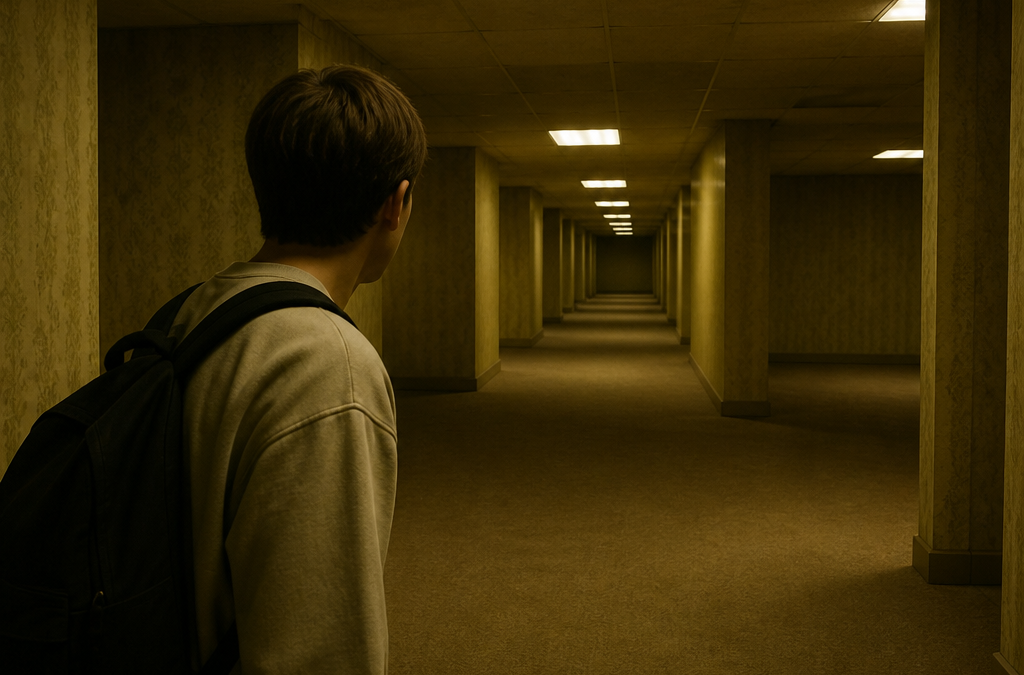
The Backrooms, initially sparked by a haunting image of endless yellow rooms, have morphed into a sprawling digital landscape that captivates the imagination of countless internet users. While the original image depicted a desolate space devoid of life, the collaborative efforts of online communities have transformed it into a richly detailed universe filled with lore, challenges, and eerie escapism. The concept of The Backrooms has inspired videos, fan art, video games, and social media narratives, allowing participants to not only observe but actively contribute to the unfolding horror.
The Backrooms are often described as an amalgamation of nostalgia and unease, reminiscent of sterile, abandoned spaces that evoke a sense of displacement. The idea that one can “noclip” out of reality and wander into these surreal environments resonates deeply with many, drawing them into a virtual pilgrimage through spaces that feel both familiar and alien. This unsettling blend of familiarity and strangeness is a key component of the allure, as it taps into collective fears and experiences of isolation.
Expert Analysis & Impact
Experts suggest that the rise of The Backrooms as a digital phenomenon reflects a broader trend of emotional engagement with fictional worlds. Dr. Sarah Mitchell, a psychologist specializing in digital behavior, notes, “The Backrooms serve as a vehicle for exploring feelings of alienation and anxiety that many people experience in their everyday lives. Engaging with these spaces allows individuals to confront their fears in a controlled environment.” This emotional exploration is not limited to mere entertainment; it becomes a form of therapy for some participants.
Moreover, the concept of digital tourism is gaining traction, as users seek immersive experiences that challenge their perceptions of reality. The Backrooms exemplify this trend by inviting individuals to explore an unsettling yet captivating universe, blurring the lines between horror, adventure, and nostalgia. As participants create maps, survival guides, and narratives, they contribute to a living tapestry of collective storytelling, enriching the community and fostering a shared sense of ownership over this mysterious space.
Future Outlook
As The Backrooms continue to grow in popularity, their influence may extend beyond the digital realm. Researchers predict that the concept could inspire real-world experiences, such as themed escape rooms or immersive art installations designed to evoke the same unsettling feelings associated with the digital counterpart. The potential for real-world adaptations could pave the way for a new genre of experiential tourism, where visitors seek out locations that embody the eerie ambience of The Backrooms.
Furthermore, as technology advances, the integration of virtual reality (VR) could offer even more immersive experiences, allowing users to explore The Backrooms in a way that feels palpably real. This could lead to a new wave of engagement with digital spaces, where the boundary between fiction and reality becomes increasingly blurred. As people seek out and create environments that resonate with their emotions, the future of digital tourism may be defined by the exploration of both familiar and foreign landscapes.
Conclusion
The Backrooms have transcended their origins as a simple internet meme to become a complex and engaging digital experience that resonates with audiences on multiple levels. By tapping into themes of nostalgia, anxiety, and the uncanny, they have carved out a niche within the broader landscape of digital tourism. As this phenomenon continues to evolve, it underscores the human desire to explore, confront, and ultimately understand the fears and emotions that shape our realities. In doing so, The Backrooms may well be redefining what it means to be a tourist in the digital age—inviting us all to step into the unknown.
“`
Context Reference: Original Publisher












Leave a Reply